
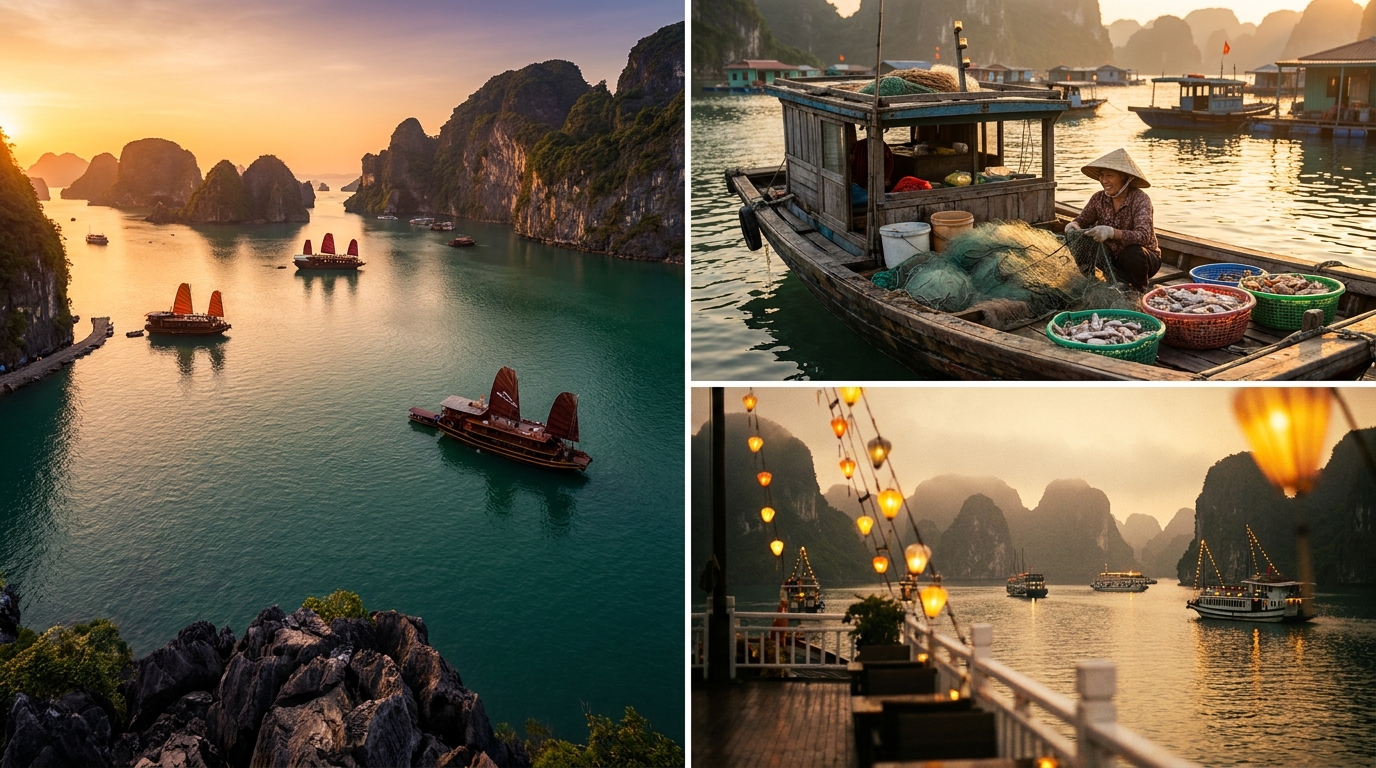
Ha Long Bay is one of Southeast Asia’s most dramatic landscapes — a seascape of 1,969 islands and roughly 3,000 limestone islets rising sharply from jade-green water in the Gulf of Tonkin. Formed over 500 million years, this UNESCO World Heritage Site sits about 160 km east of Hanoi in Quang Ninh Province. Whether you’re planning a quick day trip or a three-day overnight cruise, this guide covers every practical detail you need for 2026.
(https://cdn.pixabay.com/photo/VERIFIED-URL.jpg)]
Key Takeaways
– Ha Long Bay earned UNESCO World Heritage status twice: for natural beauty in 1994, then for geological significance in 2000.
– Best months to visit are October through April; typhoon risk peaks in July and August.
– Day cruises start at 850,000 VND (~$34 USD); a 2-day/1-night cruise runs 3,000,000–8,700,000 VND (~$120–$350 USD).
– Lan Ha Bay, directly south, offers identical karst scenery with a fraction of the tourist traffic.
– Most Vietnam itineraries pair Ha Long Bay with Hanoi to the west and Ho Chi Minh City to the south.
Quick Reference
| Detail | Info |
|---|---|
| Location | Quang Ninh Province, northeastern Vietnam |
| Core Area | ~1,553 km² |
| Total Islands | 1,969 islands; ~3,000 islets and limestone outcrops |
| UNESCO Status | World Heritage Site (1994, extended 2000) |
| Distance from Hanoi | ~160 km / ~2–2.5 hours by expressway |
| Best Time to Visit | October–April (dry season) |
| Day Cruise Price | 850,000–2,100,000 VND (~$34–$85 USD) |
| Overnight Cruise (2D/1N) | 3,000,000–8,700,000 VND (~$120–$350 USD) |
| Nearest Airport | Van Don International (VDO), ~50 km from Ha Long City |
What Makes Ha Long Bay a UNESCO World Heritage Site?

Ha Long Bay received its first UNESCO World Heritage inscription in 1994 for outstanding natural beauty, then a second in 2000 for exceptional geological and geomorphological values — making it one of a very small group of sites recognized under both natural criteria. The bay’s limestone karst formations began developing roughly 500 million years ago, shaped by tectonic movement, tropical weathering, and marine erosion.
The name itself tells the origin story. “Hạ Long” translates as “descending dragon,” referencing a legend of dragons sent by the gods to protect Vietnam from invaders — their exhaled jewels supposedly scattered into the sea to form the islands you see today. Whether you believe the myth or the geology, the result is the same: 1,969 officially named islands rising vertically from the water with almost nothing in between.
The core protected area covers approximately 1,553 km², of which roughly 434 km² falls under strict protection. Most islands are uninhabited. Around 40 are open to tourists through guided cruise itineraries. The sheer density of formations — some towers reaching 100 meters straight from the waterline — is what makes the bay genuinely hard to photograph well. No single frame captures the scale.
When Is the Best Time to Visit Ha Long Bay?
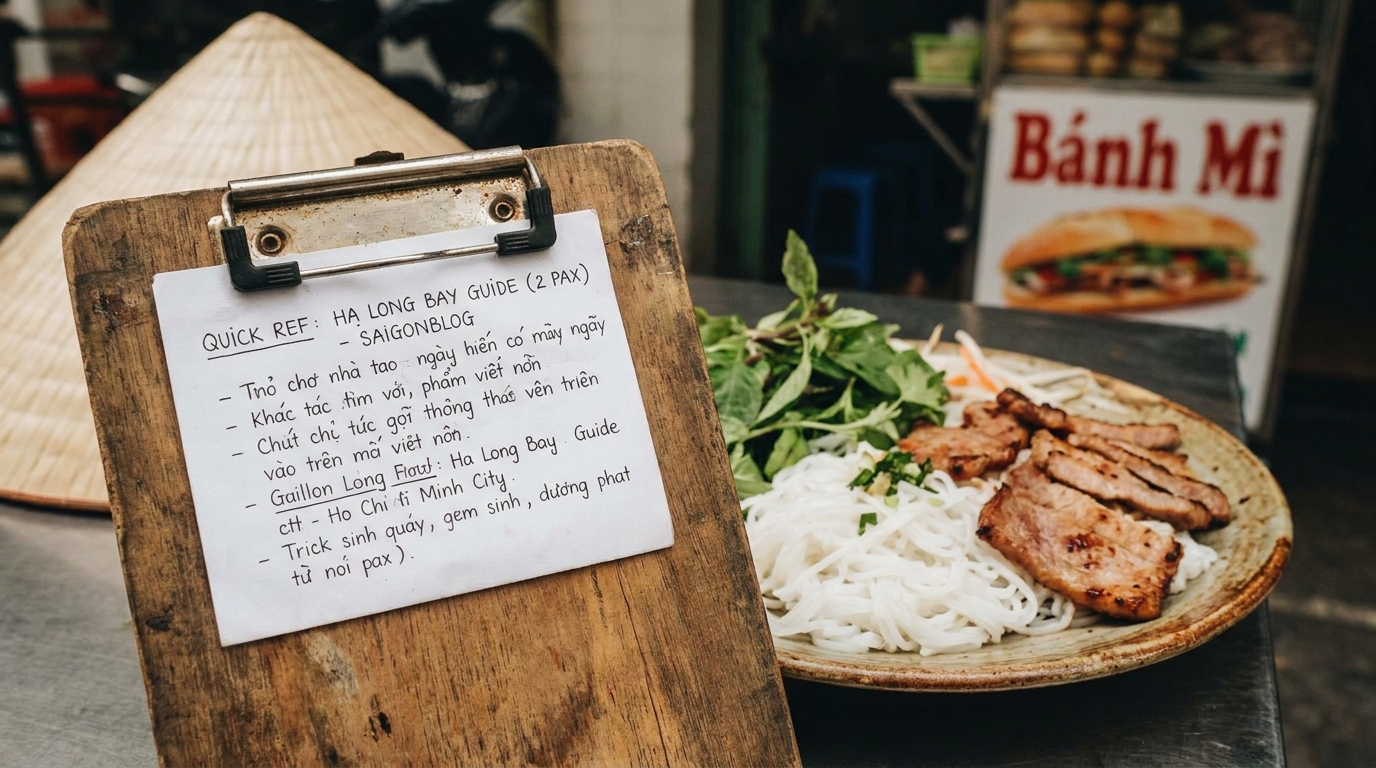
October through April gives you the clearest skies, calmest water, and most reliable visibility across the bay (Vietnam National Administration of Tourism). The dry season window is long, but not all months feel the same.
| Months | Conditions | Recommendation |
|---|---|---|
| Oct–Nov | Cool, clear, calm | Excellent — peak season, book ahead |
| Dec–Feb | Cold nights (15–20°C), atmospheric mist | Fewer crowds, beautiful photography |
| Mar–Apr | Warm, clear, low rain | Best overall — warm enough to swim |
| May–Jun | Heating up, scattered showers | ⚠️ Acceptable — shoulder prices |
| Jul–Aug | Hot, genuine typhoon risk | Avoid — cruise cancellations possible |
| Sep | Tail end of rainy season | ⚠️ Budget option, weather improving |
January and February are colder than most visitors expect — water temperatures drop to around 15–20°C, which rules out swimming. But the low mist that settles between the karst towers on winter mornings creates some of the most atmospheric photography conditions of the entire year. If you’re not planning to swim, January is often surprisingly good.
July and August carry the highest typhoon risk. Some cruise operators cancel overnight tours during severe weather warnings with very little advance notice. If you’re visiting in peak summer, buy travel insurance that covers cancellations and check forecasts the week before departure.
How to Get to Ha Long Bay from Hanoi and Ho Chi Minh City
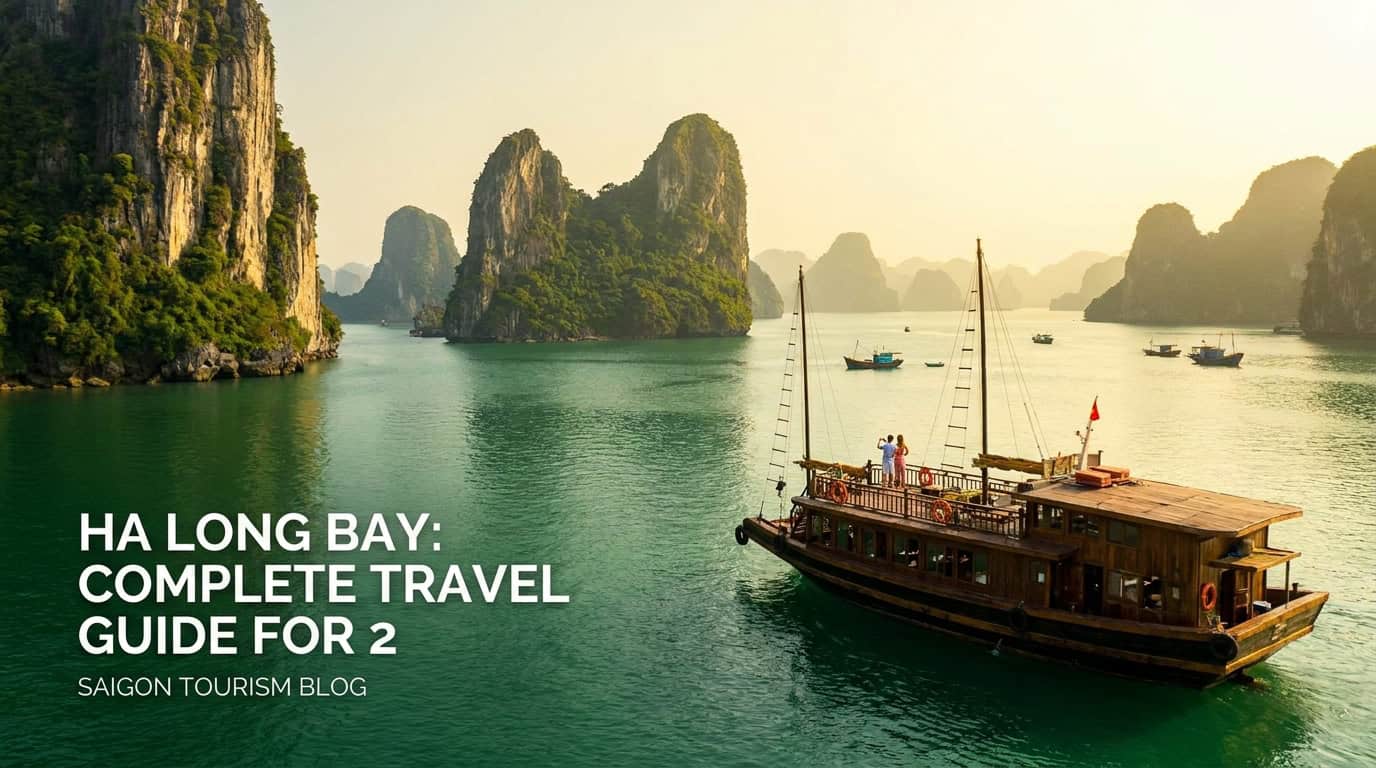
From Hanoi — The standard route is a 160 km drive east on the expressway, taking about 2 to 2.5 hours by private car or shuttle bus. Limousine buses depart from Hanoi’s Old Quarter from around 250,000 VND (~$10 USD) one-way and include hotel pickup. This is how most independent travelers get there, and it’s genuinely comfortable.
Want a memorable arrival? A seaplane from Hanoi offers aerial views of the karst formations on approach. It’s significantly pricier — roughly 4,000,000 VND (~$160 USD) round-trip — but the perspective from above is unlike anything you’ll see from the water.
From Ho Chi Minh City (Saigon) — There’s no sensible overland option from the south. The practical choice is flying from Tan Son Nhat (SGN) to Van Don International Airport (VDO) in Quang Ninh Province — about a 2-hour flight with budget carriers like VietJet or Bamboo Airways, from roughly 800,000 VND (~$32 USD) one-way. Van Don Airport sits about 50 km from Ha Long City and the main cruise piers.
If you’re building a broader Vietnam trip starting or ending in the south, our Saigon itinerary for first-time visitors maps out how to plan the Ho Chi Minh City leg of your trip around your northern travel dates.
Ha Long Bay Cruise Options: Day Trip, 2-Day, or 3-Day?

Choosing the right cruise length is the single most important decision you’ll make for this trip. Get it wrong and you’ll either feel cheated by a rushed day tour or regret not spending longer on the water. Here’s how the tiers actually compare.
| Cruise Type | Price (VND) | Price (USD) | Best For |
|---|---|---|---|
| Day Cruise | 850,000–2,100,000 | ~$34–$85 | Tight schedules, budget travelers |
| 2-Day / 1-Night | 3,000,000–8,700,000 | ~$120–$350 | Most first-time visitors |
| 3-Day / 2-Night | 5,000,000–15,000,000+ | ~$200–$600+ | Deeper exploration, quieter zones |
| Luxury Cruise | 30,000,000+ | ~$1,200+ | Heritage boats, premium food and service |
Day cruises depart around 7:30–8:00 AM and return by 5:30 PM. They cover the main highlights — Sung Sot Cave, Ti Top Island, a floating village visit — but you won’t experience the bay at sunrise and you’ll be sharing every stop with every other day-tripper in the water.
2-day / 1-night cruises are the sweet spot for most visitors. You sleep on the boat, wake up surrounded by karst, and have unhurried time for kayaking, a cooking class, and cave visits at a relaxed pace. Mid-range operators like Bhaya, Gray Line, and Perla Dawn Sails deliver solid food and comfortable cabins at this price point.
3-day cruises reach Lan Ha Bay and Cat Ba Island, areas most day-trippers never see. You’ll have time for sunrise tai chi on deck, proper snorkeling, and an evening of squid fishing under the stars. Luxury operators including Heritage Binh Chuan and Indochine Sails push into the 30,000,000+ VND (~$1,200 USD) bracket — justified if a premium experience matters to you.
Top Islands, Caves, and Attractions
The bay’s main draws divide cleanly between underground geology and above-water islands. Here’s what’s actually worth prioritizing.
Sung Sot Cave (Cave of Surprises)
Sung Sot is the largest grotto open to visitors, with two chambers covering roughly 10,000 m² in the larger section — about the floor area of a full football pitch, underground. The formations include stalactites shaped like animals and an enormous central column that tour guides have named for various creatures over the decades. It gets very crowded between 10 AM and 2 PM; arrive early or late.
Thien Cung Cave (Heavenly Palace Cave)
Smaller than Sung Sot but widely considered more beautiful. Thien Cung has more intricate stalactite curtains and a ceiling that appears to ripple like carved stone. It’s included on many 2-day itineraries and tends to run at lower crowd levels than Sung Sot.
Ti Top Island
Named after Soviet cosmonaut Gherman Titov, who swam here during a 1962 visit with Ho Chi Minh. A 400-step climb to the summit gives you arguably the best panoramic view anywhere in the bay. The beach at the base gets packed midday; aim to arrive before 11 AM or after 3 PM.
Cat Ba Island
At ~354 km², Cat Ba is the largest island in the bay system and the only one with a proper town. Guesthouses start at around 300,000 VND (~$12 USD) per night, making it a viable base for independent travelers who’d rather spend their mornings on the water than in a Hanoi hotel. Cat Ba National Park offers hiking trails through jungle to elevated bay viewpoints.
Bai Tu Long Bay and Lan Ha Bay
Bai Tu Long Bay, to the northeast, is another lower-traffic zone with comparable scenery. Access requires a dedicated tour and the extra distance keeps the crowds thin.
(https://cdn.pixabay.com/photo/VERIFIED-URL.jpg)]
Kayaking, Swimming, and Water Activities
Kayaking is what most overnight cruise guests say they remember longest. Paddling through a low sea-cave arch into a hidden lagoon — a space accessible only at high tide, only by kayak — is genuinely different from watching the same spot from a boat deck. Most overnight cruises include one to two hours of paddling in the price.
The best swimming beaches are Ti Top Island and Soi Sim Island. Water clarity is sharpest between November and March; summer months bring more runoff from rain that reduces visibility. Water temperature warms from May through October, which makes those months better for swimming despite the weather risk overhead.
Other activities available on multi-day cruises include squid fishing at night (guides lower bright lights into the water; you join with hand lines and often eat your catch next morning), sunrise tai chi on the top deck, Vietnamese cooking classes focused on spring rolls and fresh seafood, and beginner snorkeling near Cat Ba.
Floating Villages, Local Seafood, and Culture
Around 600 people still live year-round in floating fishing villages inside Ha Long Bay — primarily in Cua Van, Vung Vieng, and Ba Hang communities. These residents have fished the same waters for generations, raising grouper, shrimp, and crab in floating cage systems anchored between the karst towers.
Most overnight cruise itineraries include a rowing boat visit through one of the villages. It’s worth engaging with rather than treating as a photo opportunity. Guides who grew up in these communities often share details about the slow transition to shore living as the government encourages permanent land settlement.
Fresh seafood is one of the genuine highlights of any bay visit. On Cat Ba Island’s harbor front, you can choose from live tanks and pay by weight. Grouper runs roughly 300,000–500,000 VND per kilogram (~$12–$20 USD). The harbor restaurants are where locals eat, which is generally the strongest recommendation anything can have.
Photography Tips, Safety, and What to Pack
Best light hits between 5:30 and 6:30 AM at sunrise and the 45 minutes before sunset. If you’re on an overnight cruise, set an alarm. The mist between karst towers in the early morning is fleeting — by 8 AM, tour boats begin arriving and the atmosphere shifts.
Overcast mornings are underrated. Flat light eliminates harsh shadows on the limestone faces and produces cleaner reflections on the water than direct sunlight does.
For caves, use the widest lens or ultra-wide phone setting you have. The colored artificial lighting inside Sung Sot creates interesting depth, but the chambers are so large that a standard lens can’t capture the scale.
Drones require a permit from the Ha Long Bay Management Board and are prohibited over certain zones. Operating without a permit risks fines and confiscation. It’s rarely worth the hassle unless arranged through a licensed operator well in advance.
Safety notes: Ha Long Bay is very safe for tourists. The main risks are seasickness (bring medication if you’re prone), sunburn (the bay’s reflective surface intensifies UV significantly), and slippery cave walkways (wear closed-toe shoes). Check weather forecasts before overnight cruises — the bay closes to boat traffic during typhoon warnings.
What to pack:
– Light layers (the water cools the air noticeably at night, even in summer)
– Reef-safe sunscreen (regular chemical sunscreen is restricted on several eco-certified cruises)
– Seasickness tablets
– A waterproof dry bag for kayaking
– VND cash in small denominations — ATMs on Cat Ba are not always reliable
Make sure your entry documentation is sorted before you arrive in Vietnam. Our Vietnam visa and entry guide covers e-visa applications, processing times, and countries currently eligible for exemption.
(https://cdn.pixabay.com/photo/VERIFIED-URL.jpg)]
Frequently Asked Questions
How many days do you need for Ha Long Bay?
Two days and one night is the minimum to genuinely experience the bay — you’ll wake up on the water, see sunrise over the karst, and have unhurried time for kayaking and cave visits. A three-day cruise is worth booking if budget allows, especially for reaching quieter zones like Lan Ha Bay and Cat Ba Island that day-trippers never reach.
Is Ha Long Bay worth visiting in 2026?
Absolutely. Despite the tourist infrastructure, the scale and geological beauty of Ha Long Bay remain genuinely unlike anywhere else in Southeast Asia. Choosing the right season (October–April), the right cruise length (at least 2 days), and a quieter zone like Lan Ha Bay makes a significant difference to the experience. UNESCO recognized the bay twice for good reason.
What is the difference between Ha Long Bay and Lan Ha Bay?
Lan Ha Bay lies directly south of Cat Ba Island and shares the same limestone karst system as Ha Long Bay. The geology and scenery are essentially identical. The key difference is traffic: Lan Ha Bay receives far fewer visitors because most Hanoi-based group tours skip it entirely. Book a Cat Ba Island–based operator to reach it, and you’ll often have anchorages to yourself.
How do I avoid crowds at Ha Long Bay?
Book through a Cat Ba Island–based operator rather than a Hanoi group tour. Visit during shoulder months — March, November, or February. Request itineraries that include Lan Ha Bay or Bai Tu Long Bay. On any cruise, kayaking at 7 AM gets you to popular caves 30–45 minutes ahead of the main tour boat crowd. Weekday departures are consistently quieter than weekends.
Is it safe to eat seafood in Ha Long Bay?
Yes. Seafood on Cat Ba Island and from licensed cruise operators is generally fresh and safe. Floating village fishers raise grouper, shrimp, and crab in cages right in the bay and supply it the same day. Stick to fully cooked dishes, choose restaurants where locals eat, and avoid raw shellfish if you have a sensitive stomach. Grouper at 300,000–500,000 VND/kg is the standout order.
Plan Your Full Vietnam Trip
Ha Long Bay pairs naturally with Hanoi to the west and Ho Chi Minh City at the other end of your journey. Our Hanoi travel guide covers the Old Quarter, street food, and Temple of Literature. When you head south, our guide to things to do in Ho Chi Minh City maps out the best districts, markets, and day trips from Saigon.
Most international visitors spend at least a few nights in Ho Chi Minh City as their Vietnam entry or exit point. If you need a well-located, comfortable base in central District 1 — minutes from Ben Thanh Market, the riverside, and the city’s best local restaurants — book your stay at Saigon Homestay. Local hosts, private rooms, and a neighborhood that puts everything within walking distance.
Sources:
– UNESCO World Heritage Centre. Ha Long Bay (Site ID 672). Retrieved 2026-06-08. https://whc.unesco.org/en/list/672/
– Vietnam National Administration of Tourism. Ha Long, Quang Ninh Province. Retrieved 2026-06-08. https://vietnam.travel/places-to-go/northern-vietnam/ha-long
“`
Post-Delivery Checklist for Your CMS
Three image steps before publishing:
1. Go to pixabay.com and search ha long bay aerial karst, ha long bay cave interior, and ha long bay kayak boat
2. Download the best wide-format results (1200px+ wide)
3. Replace the three placeholder lines with real markdown image syntax:

RankMath settings to configure:
– Paste the meta_description into the RankMath snippet editor
– Set the focus keyword to: ha long bay
– Confirm the slug is set to: ha-long-bay
– Assign the featured_image_alt to your uploaded hero image
Optional next steps:
– Run /blog analyze ha-long-bay.md to get a full 100-point quality score
– Run /blog schema ha-long-bay.md to generate FAQ + Article schema JSON-LD
– Run /blog translate ha-long-bay.md --to vi to produce a Vietnamese-language version for local SEO
Related Guides
- Bai Tu Long Bay: The Less Crowded Alternative (2026)
- Ha Long Bay Luxury Cruise: Best High-End Options (2026)
- Ha Long Bay 2-Day 1-Night Cruise: What to Expect
- Ha Long Bay Safety: Is It Worth the Risk?
- Ha Long Bay Beaches: Best Spots for Swimming & Sunsets
- Ha Long Bay Kayaking: Best Routes & Tours (2026)