
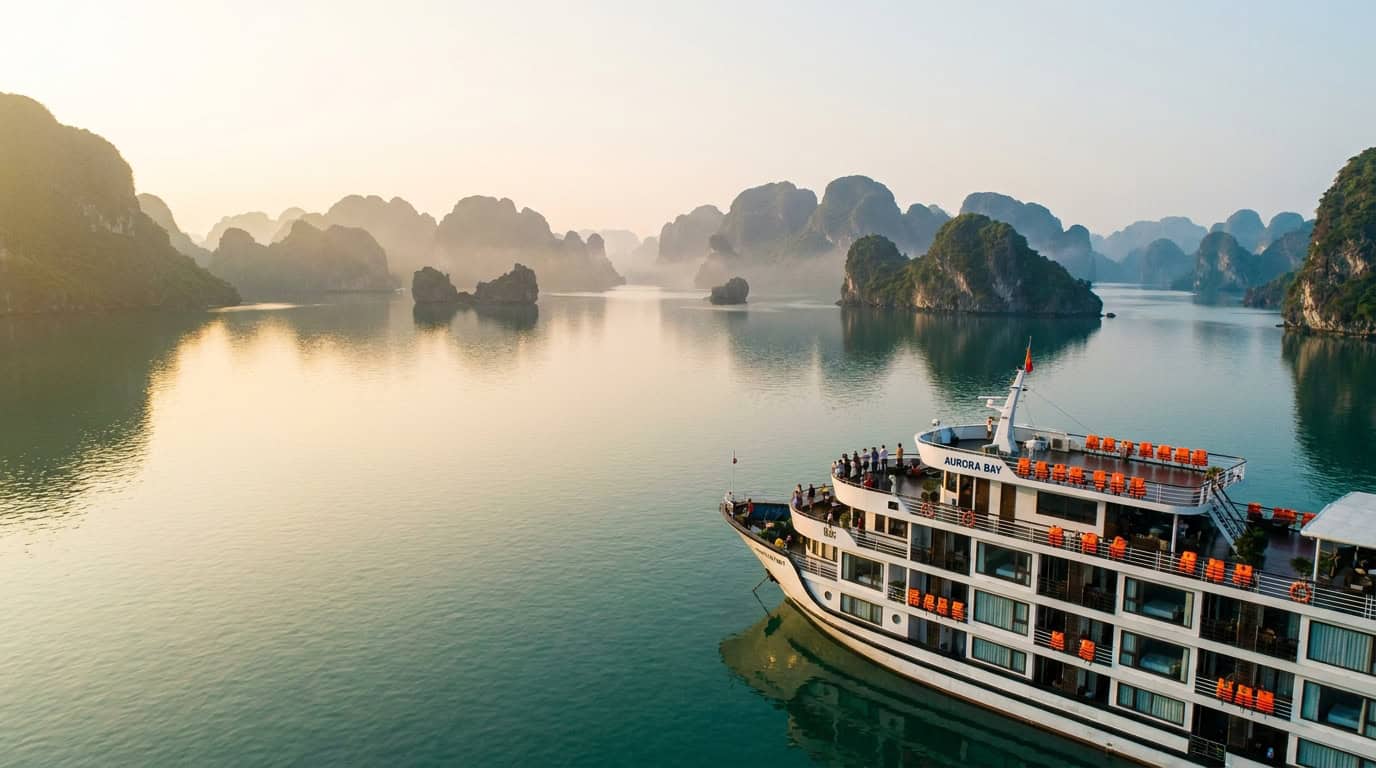
Ha long bay safety is genuinely good in 2026 — official Quang Ninh Province data shows 99.7% of the 8,200+ cruise departures in 2025 completed without incident, but the 0.3% that go wrong can go very wrong, which is exactly why every Reddit thread sounds terrified. The honest answer is that Ha Long Bay is worth visiting if you pick the right operator, travel in the right months, and skip the cheap day-trip buses that cause most of the bad reviews. This guide cuts through the panic from social media and gives you the real risk picture, with numbers, sources, and a checklist you can use tomorrow.
Key Takeaways
- 99.7% safety record: Official 2025 data shows 8,178 of 8,200+ Ha Long Bay cruises departed and returned without incident.
- Typhoon Yagi (Sept 2024) caused the most-cited disaster, but new rules now mandate marine-grade life jackets, AIS trackers, and weather-based departure bans.
- The real risks aren’t drowning — they’re food poisoning on budget tours, scam operators, and motion sickness in winter swells.
- Best months: March–May and September–early November (avoid July–August storm season and the cold drizzle of January–February).
- Budget rule: Pay at least 2.5 million VND (~$100 USD) per person per night for a licensed overnight cruise; anything cheaper is where corners get cut.
- Swimming is legal in designated zones but discouraged in the main shipping channels — jellyfish and boat traffic are the actual hazards.
Ha Long Bay Safety at a Glance: The 2026 Numbers
| Metric | 2025 Figure | Source |
|---|---|---|
| Total cruise departures | 8,200+ | Quang Ninh Tourism Department |
| Incident-free trips | 99.7% | Quang Ninh Tourism Department |
| Licensed overnight vessels | 504 | Ha Long Bay Management Board |
| Average overnight cruise price | 3.2M–6.5M VND (~$128–$260 USD) | Industry survey |
| Best months to visit | Mar–May, Sep–early Nov | VN Meteorology Agency |
| Typhoon-related closures (2025) | 9 days | Maritime Bureau |
| US State Department advisory level | Level 2 (Exercise Caution) | travel.state.gov |
The data is reassuring, but averages hide variance. A licensed five-star cruise has a very different risk profile from a 700,000 VND day boat sold by a Hanoi hostel — and that’s where almost every horror story originates.
Is It Safe to Visit Halong Bay in 2026?
Yes. Ha Long Bay is safe to visit in 2026 for the vast majority of travelers. The Vietnamese government tightened maritime regulations after Typhoon Yagi in September 2024, and the BBC’s follow-up reporting in 2025 confirmed the bay had reopened with enhanced safety protocols. The U.S. State Department’s Vietnam travel advisory remains at Level 2 — the same as France or Italy — and does not single out Ha Long Bay as a high-risk destination.
What changed after September 2024:
- All overnight cruises now carry AIS (Automatic Identification System) transponders linked to the Maritime Bureau.
- Vessels under 30 meters are banned from sailing when winds exceed Beaufort scale 6.
- Life jackets are now required on deck, not just stored in cabins.
- The Ha Long Bay Management Board publishes a real-time “fit to sail” notice every morning.
If your operator can’t confirm these four things in writing, walk away.
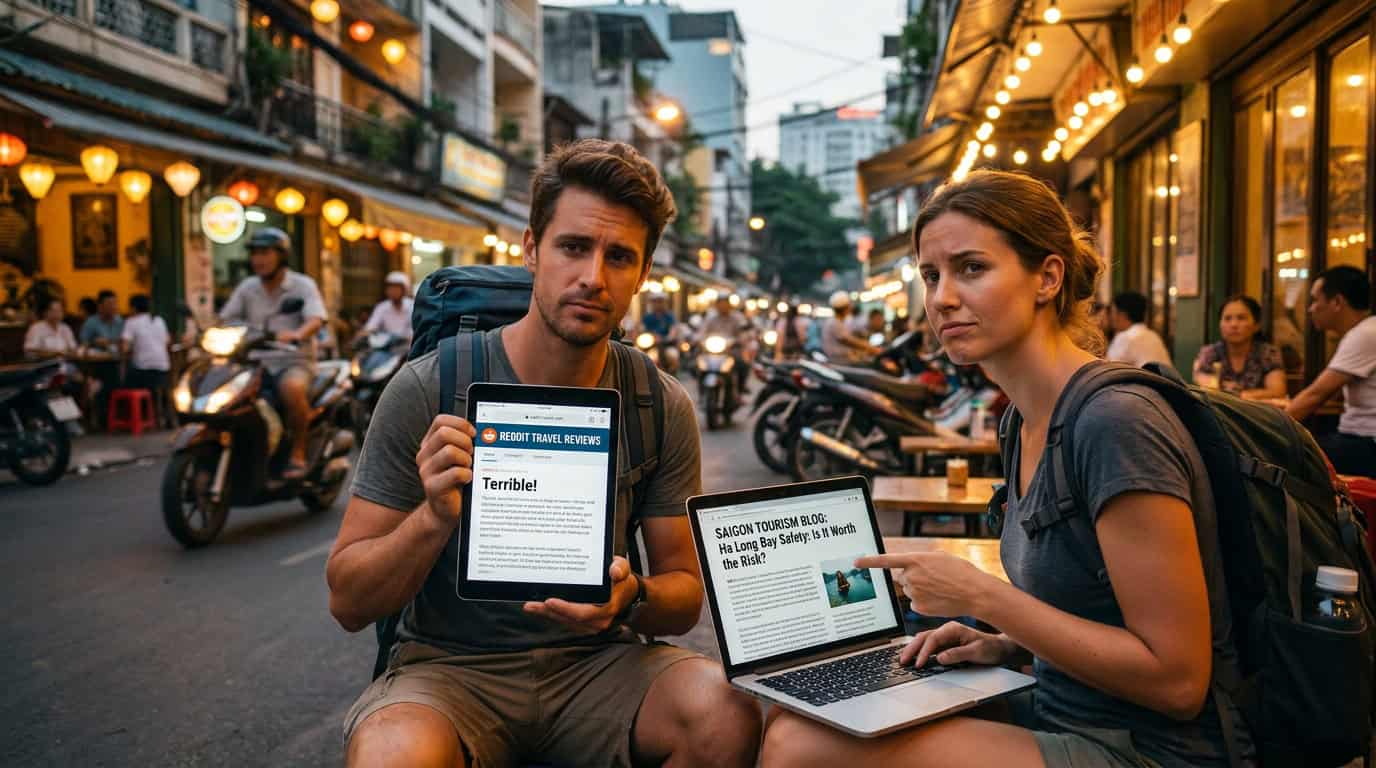
Why Every Reddit Review Sounds Terrible (And Why You Shouldn’t Listen to All of Them)
If you’ve read the r/VietNam thread where every review says Ha Long Bay is terrible, you’ve probably seen the same complaints: dirty water, crowded boats, food poisoning, aggressive vendors, bait-and-switch tours. These complaints are real — but they almost universally describe budget day trips sold for under $40 USD from Hanoi’s Old Quarter, not the actual ha long bay safety picture for licensed overnight cruises.
The pattern is consistent across hundreds of negative reviews:
- Tourist buys a $25–$40 day tour from a street agent in Hanoi.
- Bus arrives late, the boat is overcrowded, the buffet is reheated leftovers.
- Two hours of sailing, one rushed kayak stop, one cave that smells like urine.
- Tourist writes a one-star review and warns others.
Meanwhile, travelers on $200+ overnight cruises with operators like Indochina Junk, Bhaya, Paradise, or Heritage Bình Chuẩn write 5-star reviews of the same bay. The water didn’t change. The operator did.
When to Avoid Halong Bay: The Weather Calendar
When to avoid Halong Bay matters more than which boat you book. Vietnam’s north has four distinct seasons, and two of them are genuinely uncomfortable in the bay.
| Month | Conditions | Recommendation |
|---|---|---|
| Jan–Feb | Cold (10–16°C), heavy drizzle, gray skies | Avoid — visibility is poor |
| Mar–May | Mild, dry, 20–28°C, clear water | Best time to visit |
| Jun | Hot, humid, occasional storms | Acceptable, watch forecasts |
| Jul–Aug | Peak typhoon season, frequent closures | Avoid if possible |
| Sep–early Nov | Cool, dry, golden light | Best time to visit |
| Late Nov–Dec | Cooling, possible fog | Acceptable but chilly for swimming |
The September 2024 Typhoon Yagi disaster happened during the peak storm window. If you’re locked into July or August, book with an operator that issues full refunds for weather cancellations (most reputable ones do) and build a flexible day or two into your itinerary.
Why Can’t You Swim in Halong Bay? (Spoiler: You Mostly Can)
The “you can’t swim in Ha Long Bay” claim is a myth that won’t die. You can swim — but only in designated zones away from the main shipping channels. The Ha Long Bay Management Board officially permits swimming at Ti Top Beach, Soi Sim Beach, and most secluded coves accessible by tender boat from licensed cruises.
The reasons swimming is restricted in some areas:
- Boat traffic: Hundreds of vessels move through the central channels daily — the same reason you don’t swim in a working harbor anywhere in the world.
- Jellyfish: Box jellyfish appear in warmer months (May–September). They’re not lethal but they sting badly.
- Industrial proximity: Areas near Ha Long City and Cai Lan Port have lower water quality.
- Currents: Tidal currents between islands can exceed 2 knots.
Reputable cruises will anchor in clean coves and either invite guests to swim from the swim platform or shuttle them to a beach. Day trips rarely allow swimming because the schedule doesn’t permit it.
Ha Long Bay Safety for Solo Female Travelers and Families
Solo female travelers consistently rate Ha Long Bay as one of the safer destinations in Southeast Asia. Onboard licensed cruises, you’re with a captive audience of 20–40 other guests and professional crew. The greater risk to ha long bay safety for solo travelers is the transfer logistics — the 3.5-hour drive from Hanoi to the harbor, where unlicensed drivers and shuttle scams happen.
For families:
- Children under 5 should wear life vests on deck at all times — not all cruises enforce this; ask in advance.
- Kayaking is offered on most cruises, but two-person tandem kayaks are mandatory for under-12s.
- Cave exploration at Sung Sot involves slippery steps — not stroller friendly.
- Food allergies: Inform the cruise 48+ hours before departure; smaller operators struggle with last-minute requests.
How to Pick a Safe Operator: The 7-Point Checklist
Before booking any Ha Long Bay cruise, confirm these seven items in writing (email screenshot is fine):
- Quang Ninh Provincial license number displayed on the operator’s website.
- Year of vessel construction (steel-hulled vessels built post-2018 are preferred).
- AIS transponder confirmation and Maritime Bureau registration.
- Marine-grade life jacket count = passenger capacity + 25%.
- Weather cancellation policy with full refund for typhoon closures.
- Maximum guest count on your specific departure (avoid anything over 40 on standard cruises).
- Real customer reviews dated within the last 90 days on TripAdvisor or Google.
If an operator hesitates on any of these, the answer is no.
Ha Long Bay Safety on the Road: Getting There Without Drama
The road from Hanoi to Ha Long has historically caused more tourist injuries than the boats themselves. The new Hanoi–Hai Phong–Ha Long expressway opened fully in 2023 and cut travel time to roughly 2.5 hours, but the risks shifted to transfer scams, not crashes.
The four ways to get there, ranked by ha long bay safety and reliability:
- Licensed cruise shuttle (best): Most premium cruises include a private or shared limousine van with seatbelts, a vetted driver, and door-to-door service from your hanoi hotel.
- Train + transfer: The new Hanoi–Ha Long train takes 3 hours, then a 20-minute taxi.
- Self-driven private car: Use Grab or Be (verified ride-hailing apps), not street taxis.
- Tourist bus from Old Quarter (worst): This is where most “they took me to a different boat” scam reports start.
Food, Water, and Health Onboard
The single most common ha long bay safety complaint isn’t drowning — it’s gastroenteritis from buffet seafood that sat in the sun too long. Avoid this by:
- Eating cooked-to-order dishes when offered (most premium cruises do this for dinner).
- Skipping raw shellfish unless the cruise has a refrigerated display case.
- Drinking only sealed bottled water — most cruises provide it free in cabins.
- Bringing electrolyte sachets as insurance.
For motion sickness, the bay is generally calm, but October–March can produce moderate swells. Take a non-drowsy antihistamine 30 minutes before boarding if you’re sensitive.
Is It Safe to Walk in Hanoi at Night?
Yes. Hanoi at night is generally safe — petty theft and motorbike-snatch incidents exist but violent crime against tourists is rare. The Old Quarter and Hoan Kiem Lake area are busy until midnight with locals walking, jogging, and dining. Stick to well-lit streets, keep your phone in a zipped pocket, and avoid empty alleys after 11 PM. Solo female travelers report Hanoi as comfortable for evening walking, on par with Tokyo or Singapore.
Common Scams to Avoid
Beyond the bay itself, three scams target Ha Long Bay travelers:
- The “ladder” tour switch: You book a 4-star cruise; you arrive and get moved to a 2-star “sister ship.” Refuse to board and demand the original. Document the booking confirmation.
- The “harbor tax” surcharge: Quang Ninh charges a real entrance fee (~290,000 VND per person), but scam operators double-charge. The fee is usually included in legitimate cruises.
- Cash-only kayak rental: Some operators add a $30 “kayak fee” only payable in USD cash on the boat. Confirm what’s included before booking.
Where to Stay Before and After Your Cruise
Most travelers fly into Ho Chi Minh City (Saigon) first, spend a few days exploring the south, then take a domestic flight to Hanoi for the bay. If that’s your route, base yourself in a central District 1 homestay where you can sort out cruise bookings, currency, and a Vietnamese SIM card before heading north. We cover the best District 1 neighborhoods for first-time visitors in detail and have a full breakdown of things to do in Ho Chi Minh City for your pre-cruise days. For practical prep, see our guides to Vietnam visa requirements in 2026 and getting around Saigon safely.
Ha Long Bay Safety: The Honest Verdict
So — is ha long bay safety worth the risk? For a properly booked overnight cruise in spring or autumn with a licensed operator, the risk is minimal and the experience is one of the best in Southeast Asia. For a $30 day trip booked from a Hanoi hostel in August, you’ll probably survive but you won’t enjoy it. The bay isn’t dangerous; the budget industry around it is uneven. Pay for quality once and you won’t have to write a Reddit warning afterward.
Frequently Asked Questions
Is it safe to visit Halong Bay?
Yes. Ha Long Bay is safe to visit in 2026, with 99.7% of cruises in 2025 completing without incident according to Quang Ninh Tourism Department data. New safety rules introduced after Typhoon Yagi in 2024 require AIS trackers, marine-grade life jackets, and weather-based sailing bans on all licensed vessels.
When to avoid Halong Bay?
Avoid Halong Bay in July and August (peak typhoon season, with 9 days of closures in 2025) and in January–February (cold drizzle and poor visibility). The best months are March through May and September through early November, when conditions are dry, mild, and the water clarity is highest.
Why can’t you swim in Halong Bay?
You can swim in Halong Bay, but only in designated zones away from main shipping channels. Restrictions exist because of heavy boat traffic, seasonal jellyfish (May–September), tidal currents, and lower water quality near Ha Long City. Licensed cruises anchor in clean coves where swimming is permitted and supervised.
Is it safe to walk in Hanoi at night?
Yes, walking in Hanoi at night is generally safe. The Old Quarter and Hoan Kiem Lake stay busy until midnight, and violent crime against tourists is rare. Stick to well-lit streets, keep phones zipped away to avoid motorbike snatch-and-grab theft, and use Grab or Be ride-hailing apps after 11 PM instead of walking through empty alleys.
How much should I budget for a safe Ha Long Bay cruise?
Budget at least 2.5 million VND (~$100 USD) per person per night for a licensed overnight cruise. Premium 4–5 star operators run 3.5–6.5 million VND ($140–$260 USD). Anything below 2 million VND is where ha long bay safety standards typically drop and most negative reviews originate.
Is Ha Long Bay safe after the Typhoon Yagi incident?
Yes. After the September 2024 Typhoon Yagi disaster, Vietnamese authorities mandated AIS transponders, stricter weather-based sailing bans, marine-grade life jackets on deck, and daily “fit to sail” notices. The BBC and Vietnam Tourism Authority confirmed the bay reopened in 2025 with enhanced protocols.
Plan Your Vietnam Trip From a Central Saigon Base
Most Ha Long Bay travelers fly into Saigon first — give yourself two or three days to acclimate, organize your cruise, and sort out logistics before flying north to Hanoi. Our central District 1 homestay puts you a five-minute walk from Ben Thanh Market, the Saigon River, and the Bui Vien food streets, with English-speaking hosts who can help you book a verified Ha Long Bay operator at fair prices. Check availability and book direct →
Carrying the right cash matters more than most visitors expect — see the Vietnam currency and money exchange guide before you arrive.
Related Guides
- Ha Long Bay Luxury Cruise: Best High-End Options (2026)
- Ha Long Bay 2-Day 1-Night Cruise: What to Expect
- Ha Long Bay Beaches: Best Spots for Swimming & Sunsets
- Ha Long Bay Kayaking: Best Routes & Tours (2026)
- Cat Ba Island vs Ha Long Bay: Where Should You Stay?
- Ha Long Bay vs Bai Tu Long Bay: Which Should You Choose?