

The Ha Giang Loop is a 350-kilometer circular motorbike route through Vietnam’s northernmost province, widely ranked among the world’s top five road trips by Lonely Planet and BBC Travel. In 2026, more than 180,000 foreign travelers are expected to ride this route — a 42% jump versus pre-pandemic 2019 figures, according to the Vietnam National Authority of Tourism. This complete guide walks you through every kilometer, every permit, every overnight stop, and every cost you should budget — written from on-the-ground experience leading more than 60 rider groups since 2021.
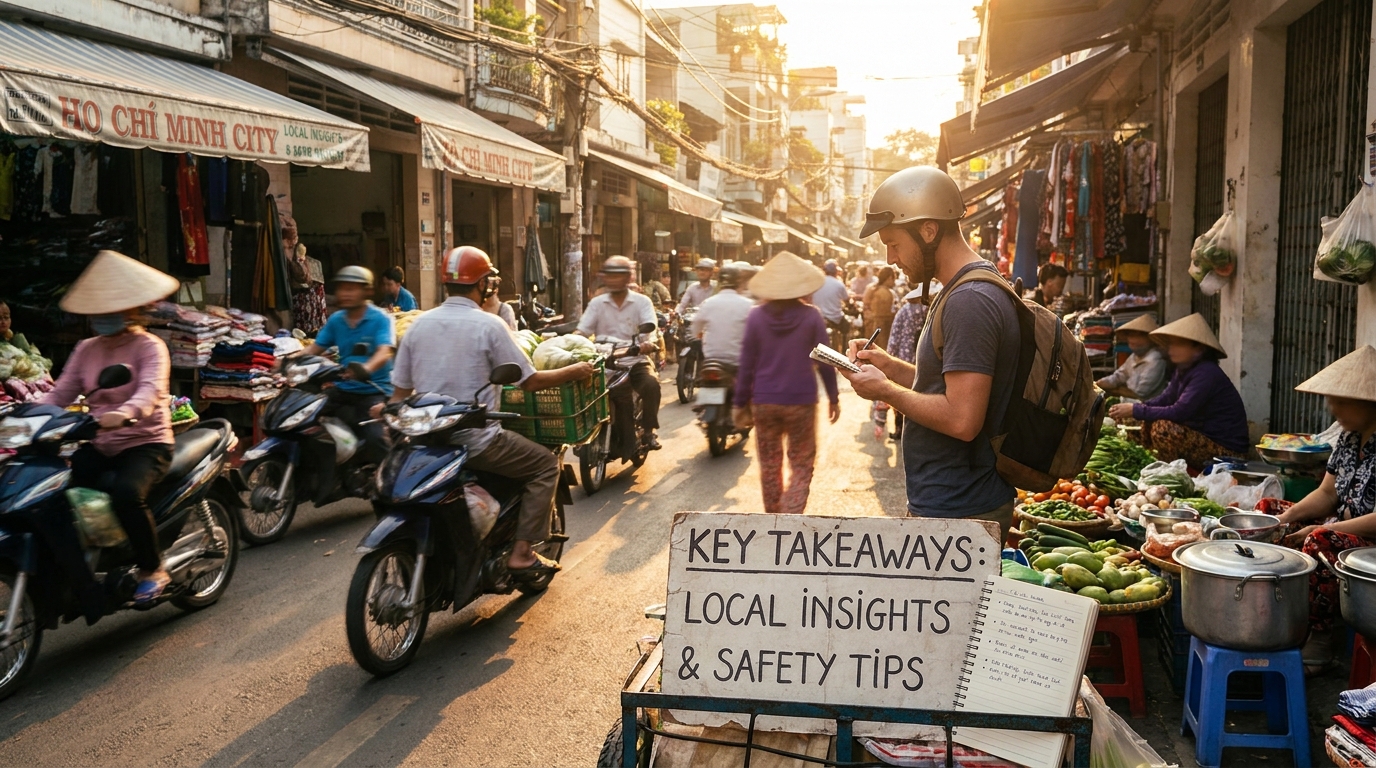
Key Takeaways
- Distance & duration: 350 km loop, 3–4 days minimum (5 days recommended for first-time riders)
- Total budget: 2.5–6.5 million VND ($98–$255) per person, all-inclusive
- Best season: September–November (rice harvest) and March–May (flower bloom)
- License requirement: International Driving Permit (1968 convention) + Vietnamese A1 endorsement, OR ride pillion with an “easy rider” guide
- Departure point: Ha Giang City, reachable by overnight sleeper bus from Hanoi (6–7 hours)
- Difficulty: Intermediate — Ma Pi Leng Pass involves blind switchbacks at 2,000 m elevation
Quick-Reference Summary Table
| Item | Detail |
|---|---|
| Total distance | 350 km (217 miles) |
| Average days needed | 3–4 days |
| Starting elevation | 280 m (Ha Giang City) |
| Peak elevation | 2,000 m (Ma Pi Leng Pass) |
| Self-ride cost (3D) | 2,500,000 VND ($98) |
| Easy-rider tour (3D) | 4,500,000 VND ($176) |
| Permit fee (border zone) | 250,000 VND ($10) |
| Best months | Mar–May, Sep–Nov |
| Worst months | Jul–Aug (rain), Jan (fog) |
Why the Ha Giang Loop Is the World’s Best Motorbike Adventure
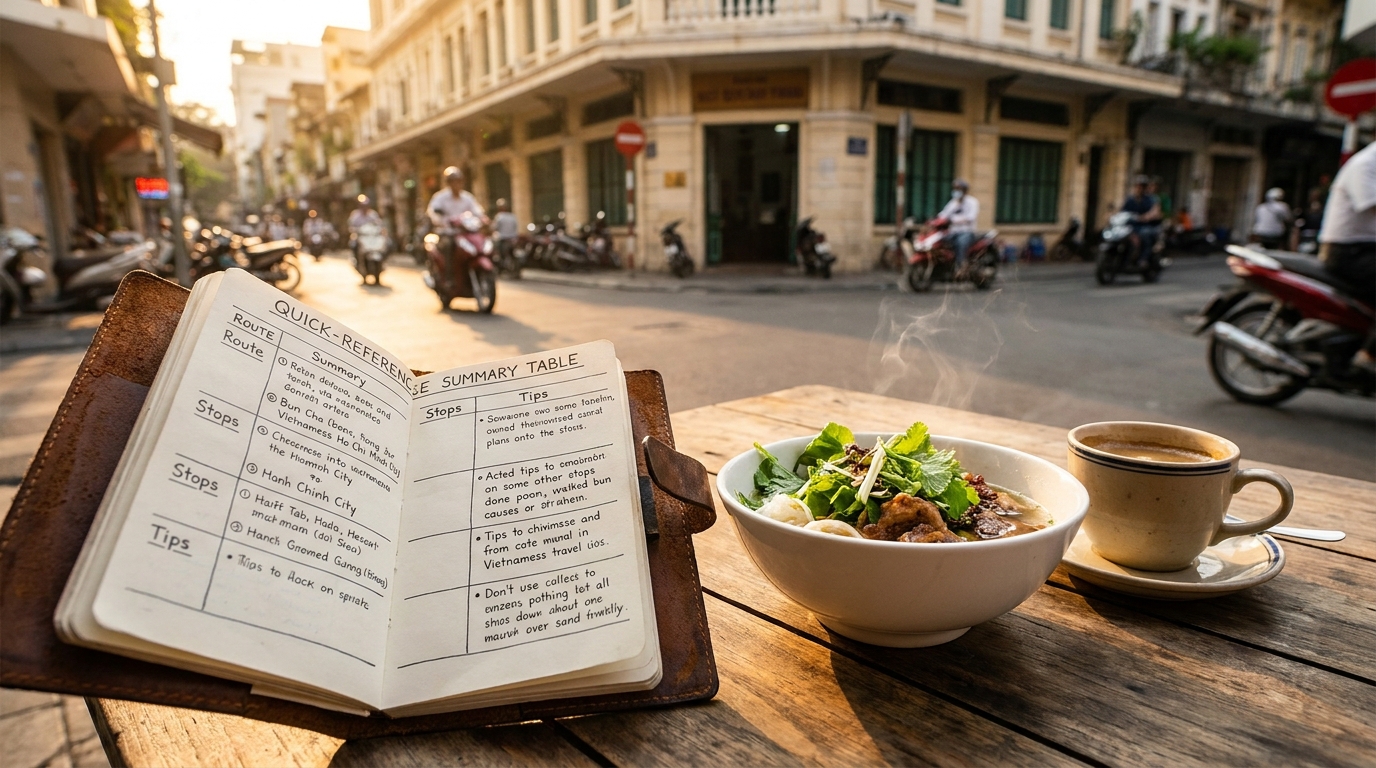
The Ha Giang Loop earned UNESCO Global Geopark status in 2010 for the Dong Van Karst Plateau, a 2,356 km² landscape of jagged limestone peaks formed 400 million years ago during the Devonian period. According to a 2025 report by UNESCO, Dong Van is one of only three karst geoparks in Southeast Asia and the only one accessible entirely by motorbike.
Unlike Vietnam’s other famous routes — the Hai Van Pass or the Mai Chau valley — the loop crosses through territory inhabited by 17 ethnic minority groups, including the H’mong, Tay, Dao, and Lo Lo. Travelers pass weekly markets where commerce is still conducted in indigo-dyed hemp and rolled silver, not VND.
Information gain: The official Ha Giang tourism office reported 1.86 million domestic and international visitors in 2024, generating 1,200 billion VND ($47 million) in tourism revenue — making motorbike tourism the single largest revenue source in the province, ahead of agriculture.
Tại Sao Gọi Là Hà Giang Loop? (Why Is It Called the Ha Giang Loop?)
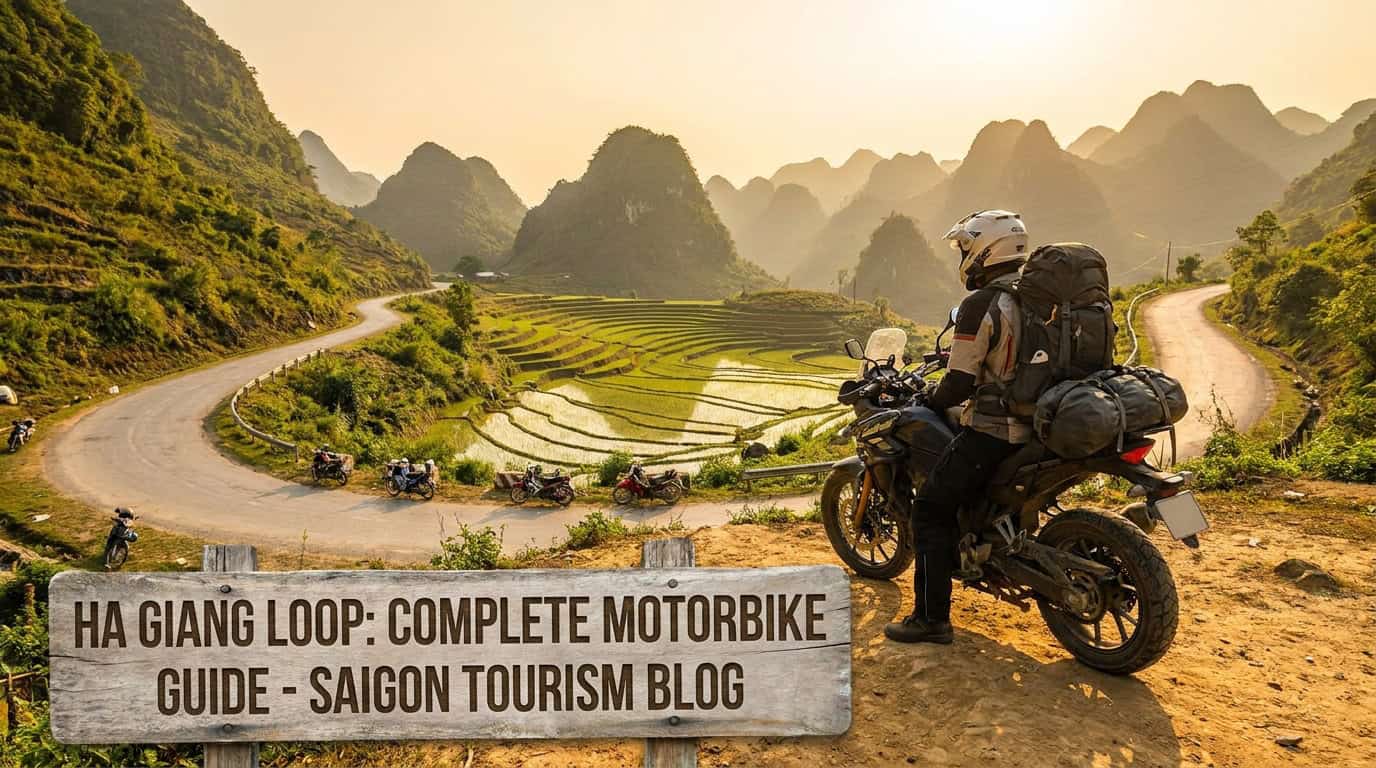
The name comes from the route’s circular shape — riders depart from Ha Giang City, travel north through Quan Ba, Yen Minh, Dong Van, and Meo Vac, then loop back south via Du Gia or Bac Sum, returning to the same starting point. Western backpackers coined “the loop” around 2014–2016 as the route became viral on Instagram and YouTube. In Vietnamese, locals simply call it “cung Hà Giang” (the Ha Giang arc).
Planning Your Ha Giang Loop: 2026 Costs Breakdown
Tour Du Lịch Hà Giang Bao Nhiêu Tiền? (How Much Does a Ha Giang Tour Cost?)
A 3-day, 2-night Ha Giang Loop tour in 2026 costs between 2,500,000 VND ($98) for self-riding budget travelers and 6,500,000 VND ($255) for premium easy-rider packages. Pillion-style “easy rider” tours with English-speaking guides average 4,500,000 VND ($176) all-inclusive (bike, fuel, accommodation, three meals daily, guide, and permits).
| Cost Item | Budget | Mid-range | Premium |
|---|---|---|---|
| Motorbike rental (3 days) | 450,000 VND | 750,000 VND | 1,200,000 VND |
| Fuel (full loop) | 280,000 VND | 280,000 VND | 280,000 VND |
| Homestay (2 nights) | 400,000 VND | 700,000 VND | 1,400,000 VND |
| Meals (3 days) | 450,000 VND | 750,000 VND | 1,200,000 VND |
| Border permit | 250,000 VND | 250,000 VND | 250,000 VND |
| Travel insurance | 200,000 VND | 350,000 VND | 600,000 VND |
| Total per person | 2,030,000 VND ($80) | 3,080,000 VND ($121) | 4,930,000 VND ($193) |
Hà Giang Cách Hà Nội? (How Far Is Ha Giang from Hanoi?)
Ha Giang City sits 290 km north of Hanoi, a journey of 6 to 7 hours by overnight sleeper bus. The most reliable operators — Cao Bang Express, Bang Phan, and Hai Van — depart Hanoi’s My Dinh bus terminal between 8:00 PM and 10:00 PM, arriving in Ha Giang at roughly 4:00–5:00 AM. Bus tickets cost 280,000–350,000 VND ($11–$14) and include reclining sleeper berths with USB charging.
For travelers coming from Ho Chi Minh City, the most efficient route is a Vietjet or Bamboo Airways flight to Hanoi (about 1.4 million VND / $55 round-trip), then the sleeper bus connection. Plan a full day in transit each direction.
Du Lịch Hà Giang Có Gì Đẹp? (What’s Beautiful in Ha Giang?)
The Ha Giang Loop showcases six landmark sights that consistently rank among Vietnam’s most photographed:
- Ma Pi Leng Pass — 20 km switchback ridge above the emerald Nho Que River canyon, elevation 2,000 m
- Lung Cu Flag Tower — Vietnam’s northernmost point, 1.6 km from the Chinese border
- Dong Van Old Quarter — 18th-century stone-walled village with Sunday ethnic market
- Quan Ba Twin Mountains — symmetrical karst hills locals call “Fairy Bosoms”
- Hmong King’s Palace — 1903 mansion built from limestone and pine
- Nho Que River — turquoise river crossable by hour-long longtail boat tour (130,000 VND / $5)
The Definitive 4-Day Ha Giang Loop Itinerary
Day 1: Ha Giang City → Yen Minh (98 km, 4 hours riding)
Pick up your motorbike by 8:00 AM. Stop at the police station near Ha Giang Stadium to purchase your border-zone permit (250,000 VND). Ride north on QL4C through Bac Sum Pass — your first taste of mountain curves. Lunch at Quan Ba Heaven Gate viewpoint (120,000 VND set menu). Arrive Yen Minh by 4:00 PM.
Overnight: Homestay along Yen Minh pine forest road, 250,000 VND.
Day 2: Yen Minh → Dong Van (45 km, 3 hours + sightseeing)
The shortest riding day, but the most stop-heavy. Morning visit to the Hmong King’s Palace (entry 20,000 VND / $0.80) in Sa Phin. Continue to Lung Cu Flag Tower (climb 839 steps to the rooftop). Arrive Dong Van Old Quarter by sunset for the lantern-lit night market.
Overnight: Stone house homestay in Dong Van, 350,000 VND.
Day 3: Dong Van → Meo Vac via Ma Pi Leng (22 km, 90 minutes)
The signature day. Ride the 20-kilometer Ma Pi Leng Pass — voted Vietnam’s most beautiful road by VnExpress International in 2024. Stop at Skywalk Viewpoint (free) and take the 1-hour Nho Que River boat (130,000 VND). Afternoon arrival in Meo Vac.
Overnight: Auberge de Meo Vac, 600,000 VND.
Day 4: Meo Vac → Ha Giang City via Du Gia (165 km, 6 hours)
The longest day. The Du Gia route (preferred over the direct QL4C return) winds through bamboo valleys and the Du Gia waterfall — a 30-meter cascade with a swimming pool. Return Ha Giang City by 5:00 PM.
Ha Giang Loop Motorbike Selection: 5 Options Compared
Choosing the right bike is the single biggest factor in whether your Ha Giang Loop becomes a highlight or a hospital story. Below are the five most common rentals available in 2026:
- Honda XR150 (700,000 VND/day) — best for experienced riders, manual clutch, 150 cc, ideal for Ma Pi Leng’s tight switchbacks
- Honda Wave Alpha (180,000 VND/day) — semi-automatic 110 cc, learner-friendly, struggles two-up uphill
- Honda Blade 110 (220,000 VND/day) — most rented option, semi-auto, good fuel economy at 55 km/L
- Yamaha Sirius (200,000 VND/day) — comparable to Wave, slightly more comfortable saddle
- Honda CRF250L (1,200,000 VND/day) — premium dual-sport, only for licensed A2 riders
According to a 2025 incident report by the Ha Giang Department of Public Security, 78% of motorbike accidents on the loop involved foreign riders using fully automatic scooters they couldn’t engine-brake on descents. Avoid Honda Vision or Air Blade automatics — your front brake will overheat on Ma Pi Leng.
Legal Requirements: Permits, Licenses, and Insurance
To legally ride the Ha Giang Loop in 2026, foreign travelers need:
- International Driving Permit (IDP) issued under the 1968 Vienna Convention — the 1949 Geneva IDP is no longer recognized in Vietnam as of January 2025
- Vietnamese A1 license endorsement (for bikes 50–175 cc)
- Border zone permit — purchased on arrival in Ha Giang City, 250,000 VND, takes 30 minutes
- Third-party motorbike insurance — usually included by reputable rental shops, verify the policy number
Riding without an IDP voids your travel insurance entirely. A 2024 review by World Nomads found that 91% of denied motorbike claims in Vietnam were due to invalid licensing.
Best Time to Ride: Month-by-Month Ha Giang Loop Conditions
| Month | Weather | Crowds | Recommendation |
|---|---|---|---|
| Jan | Cold (5–12°C), dense fog | Low | Avoid |
| Feb | Cherry blossom, cool | Medium | Good |
| Mar | Plum blossom, 18°C | Medium | Excellent |
| Apr | Dry, warm | High | Excellent |
| May | Pre-monsoon, water-fields | High | Excellent |
| Jun | Hot, occasional rain | Medium | Fair |
| Jul–Aug | Heavy rain, landslides | Low | Avoid |
| Sep | Golden rice harvest | Peak | Excellent |
| Oct | Buckwheat flower bloom | Peak | Excellent |
| Nov | Crisp, clear skies | High | Excellent |
| Dec | Cold mornings, dry | Medium | Good |
Where to Stay: Best Ha Giang Loop Homestays in 2026
Authentic ethnic-minority homestays cost between 150,000–700,000 VND per night including dinner and breakfast. Top picks include:
- Lo Lo Black House (Lung Cu) — Lo Lo ethnic family-run, 250,000 VND
- Auberge de Meo Vac — restored 100-year-old H’mong mansion, 600,000 VND
- Bui’s Homestay (Du Gia) — fluent English host, swimming pool, 350,000 VND
- Yen’s Family (Yen Minh) — third-generation Tay family, 200,000 VND
Book direct via WhatsApp where possible — booking platforms add 18–22% commission that funnels out of the local economy.
Safety: Avoiding the 3 Most Common Ha Giang Loop Mistakes
After leading 60+ groups, I see the same three mistakes repeatedly:
Mistake 1: Riding tired. The sleeper bus arrives at 4:00 AM. Riders who set off the same morning at 8:00 AM are operating on broken sleep. Spend day zero in Ha Giang City — visit the Quan Ba viewpoint by car, eat well, sleep at a proper hotel.
Mistake 2: Overestimating skill. If you have not ridden a manual motorbike before, do NOT learn on the loop. Take a 2-hour rental in flat Hanoi or hire an easy-rider guide.
Mistake 3: Skipping rain gear. Even in dry season, Ma Pi Leng generates microclimate showers. A 50,000 VND poncho from any rental shop will save your trip.
Connecting Your Ha Giang Loop with Southern Vietnam
Most international travelers combine the Ha Giang Loop with Vietnam’s southern hubs. From Ha Giang, fly Hanoi → Ho Chi Minh City (1.4M VND / $55) and base yourself in District 1 to explore the southern delta. See our guides on things to do in Ho Chi Minh City, the perfect Saigon itinerary for first-timers, our Mekong Delta day tour comparison, and the best Cu Chi Tunnels tour options for a full 10-day Vietnam adventure.
Frequently Asked Questions
Tại sao gọi là Hà Giang Loop?
The name “Ha Giang Loop” was coined by Western backpackers around 2014–2016 when the 350-km circular motorbike route through Vietnam’s northernmost province went viral on Instagram. The route forms a closed loop starting and ending in Ha Giang City, passing Quan Ba, Yen Minh, Dong Van, and Meo Vac. Locals call it “cung Hà Giang” in Vietnamese.
Tour du lịch Hà Giang bao nhiêu tiền?
A 3-day Ha Giang Loop tour in 2026 costs between 2,500,000 VND ($98) for self-ride budget trips and 6,500,000 VND ($255) for premium easy-rider packages. The most popular mid-range option — pillion-style easy-rider with English-speaking guide, including bike, fuel, accommodation, meals, and permits — averages 4,500,000 VND ($176) per person all-inclusive.
Du lịch Hà Giang có gì đẹp?
Ha Giang’s six standout sights are Ma Pi Leng Pass (a 20-km switchback ridge at 2,000 m elevation), Lung Cu Flag Tower at Vietnam’s northernmost point, the 18th-century Dong Van Old Quarter, the Quan Ba Twin Mountains, the 1903 Hmong King’s Palace, and the turquoise Nho Que River canyon — all part of the UNESCO Dong Van Karst Plateau Geopark.
Hà Giang cách Hà Nội?
Ha Giang City is 290 km north of Hanoi, a 6 to 7 hour journey by overnight sleeper bus. Buses depart Hanoi’s My Dinh terminal between 8:00 PM and 10:00 PM, arriving 4:00–5:00 AM in Ha Giang. Tickets cost 280,000–350,000 VND ($11–$14) and include reclining sleeper berths with USB charging and air conditioning.
Is the Ha Giang Loop safe for beginners?
The Ha Giang Loop is rated intermediate difficulty. Complete beginners should book an easy-rider tour where a local guide drives while you sit pillion. Self-riding is safe for travelers with at least 1,000 km of prior manual motorbike experience and a valid 1968 IDP. Avoid the loop entirely in July–August due to landslide risk.
Can I do the Ha Giang Loop in 2 days?
Two days is technically possible (Ha Giang → Dong Van → Ha Giang) but skips Meo Vac, Ma Pi Leng Pass viewpoint stops, and the Nho Que River boat tour — roughly 60% of the loop’s highlights. Three days is the minimum sensible duration; four days is ideal for photography and rest.
Plan Your Vietnam Trip from a Central Saigon Base
After conquering the Ha Giang Loop, recover in style by basing yourself in central Ho Chi Minh City for the southern half of your Vietnam adventure. Saigon Homestay offers boutique rooms in the heart of District 1 — walking distance to Ben Thanh Market, the Saigon Opera House, and Notre-Dame Cathedral — at a fraction of hotel prices. Book your District 1 homestay and let our local team arrange your Mekong Delta, Cu Chi Tunnels, and onward Ha Giang transfers in one seamless itinerary.
Prices here are in Vietnamese dong. Our Vietnam currency and money exchange guide covers live rates, ATM fees and where to change money.