
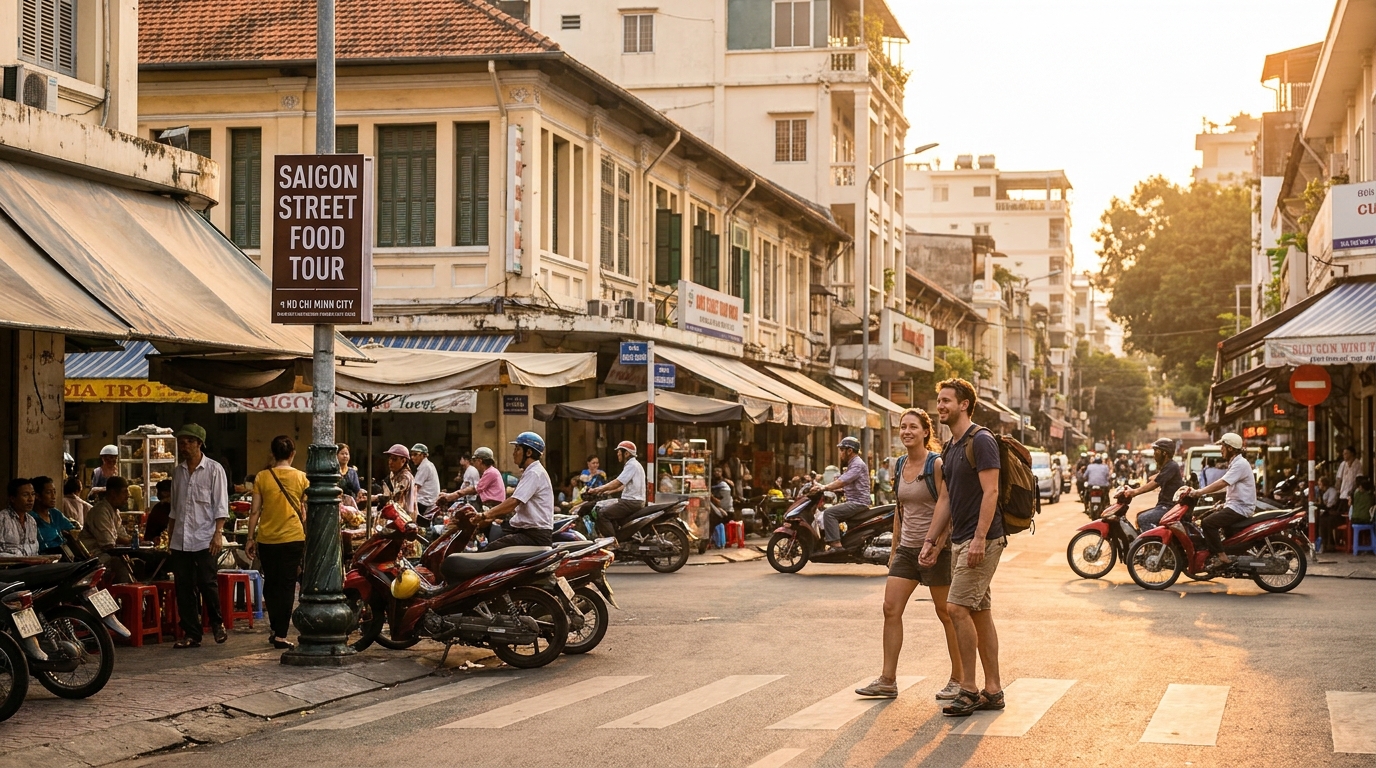
Yes — this is hanoi safe complete safety guide for tourists confirms that Hanoi is one of the safest major capitals in Southeast Asia in 2026, with violent crime against foreigners remaining rare and the Global Peace Index ranking Vietnam 41st of 163 countries — well above Thailand (92nd) and the Philippines (115th). The most common risks travelers face are petty theft, traffic accidents from crossing chaotic streets, and a handful of well-documented tourist scams — all easily avoidable with the right preparation.
This guide draws on the latest U.S. State Department travel advisories, Numbeo crime data updated for 2026, and on-the-ground experience helping thousands of guests at saigonhomestay.com explore Vietnam confidently. Whether you’re a solo backpacker, a family with kids, or a digital nomad considering an extended stay, you’ll find practical, verified advice below.
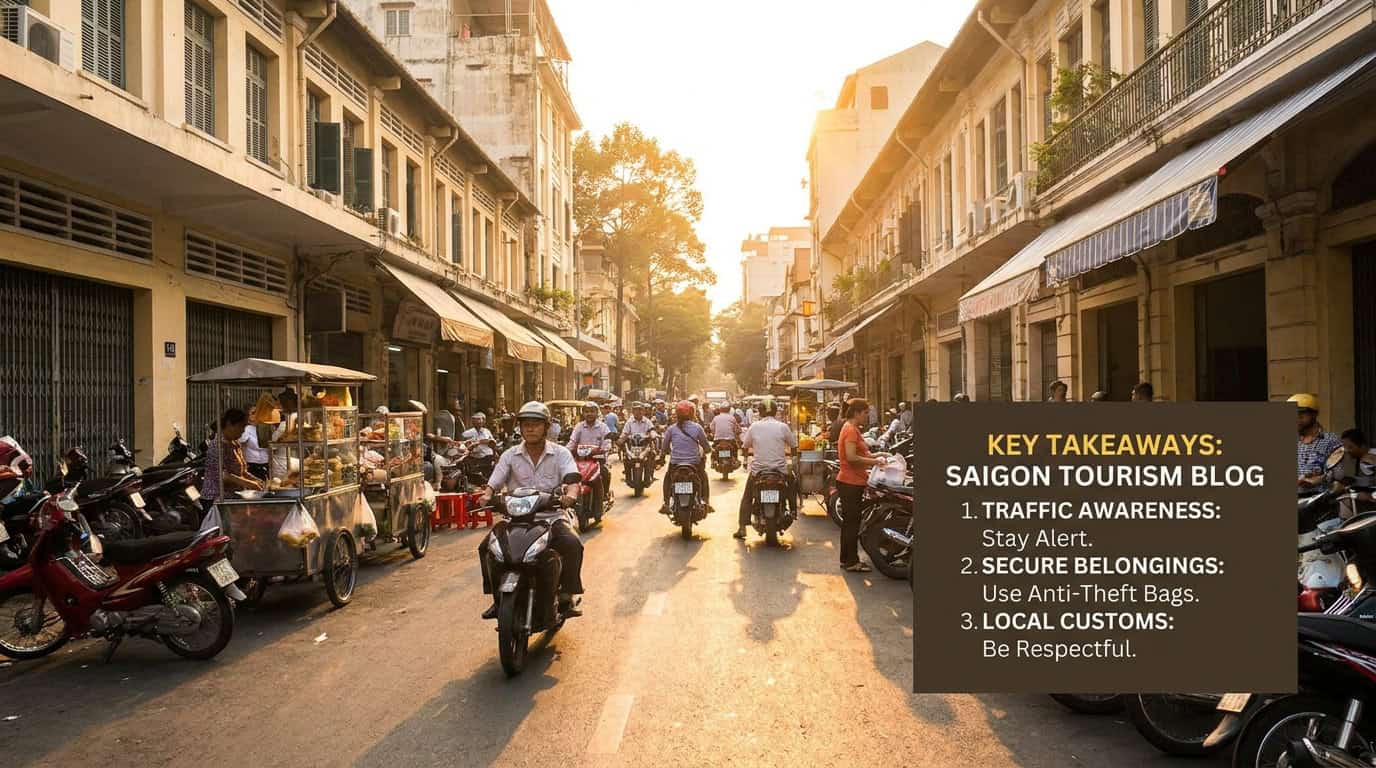
Key Takeaways
- Hanoi ranks as a Level 1 destination (“Exercise Normal Precautions”) by the U.S. State Department in 2026 — the lowest risk tier.
- Violent crime rate is just 23.4 on Numbeo’s index, compared to 53.8 for Bangkok and 67.1 for Manila.
- Petty theft (bag-snatching, pickpocketing) is the #1 risk — concentrated in the Old Quarter and around Hoan Kiem Lake.
- Traffic is the biggest physical danger: Vietnam records ~21,000 road deaths a year; learn to cross like a local.
- Common scams include taxi meter tampering, shoe-shine swindles, and the “free donut” trick near the lake.
- Night walking is generally safe in tourist districts until midnight, but stay alert in dim alleys.
Quick Safety Snapshot: Hanoi in 2026
| Safety Metric | Hanoi 2026 | Source |
|---|---|---|
| U.S. State Dept. Advisory Level | Level 1 (Normal Precautions) | travel.state.gov |
| Numbeo Crime Index | 36.8 (Low) | Numbeo Q1 2026 |
| Safety walking alone at night | 64.2 (Moderately Safe) | Numbeo Q1 2026 |
| Average daily budget (backpacker) | 600,000 VND (~$24 USD) | Budgetyourtrip 2026 |
| Emergency police number | 113 | Vietnam MPS |
| Tourist police hotline | (+84) 24 3942 6789 | Hanoi Tourism Dept. |
| Best time for safest weather | Oct–Apr (cool, dry) | Vietnam Met. Agency |
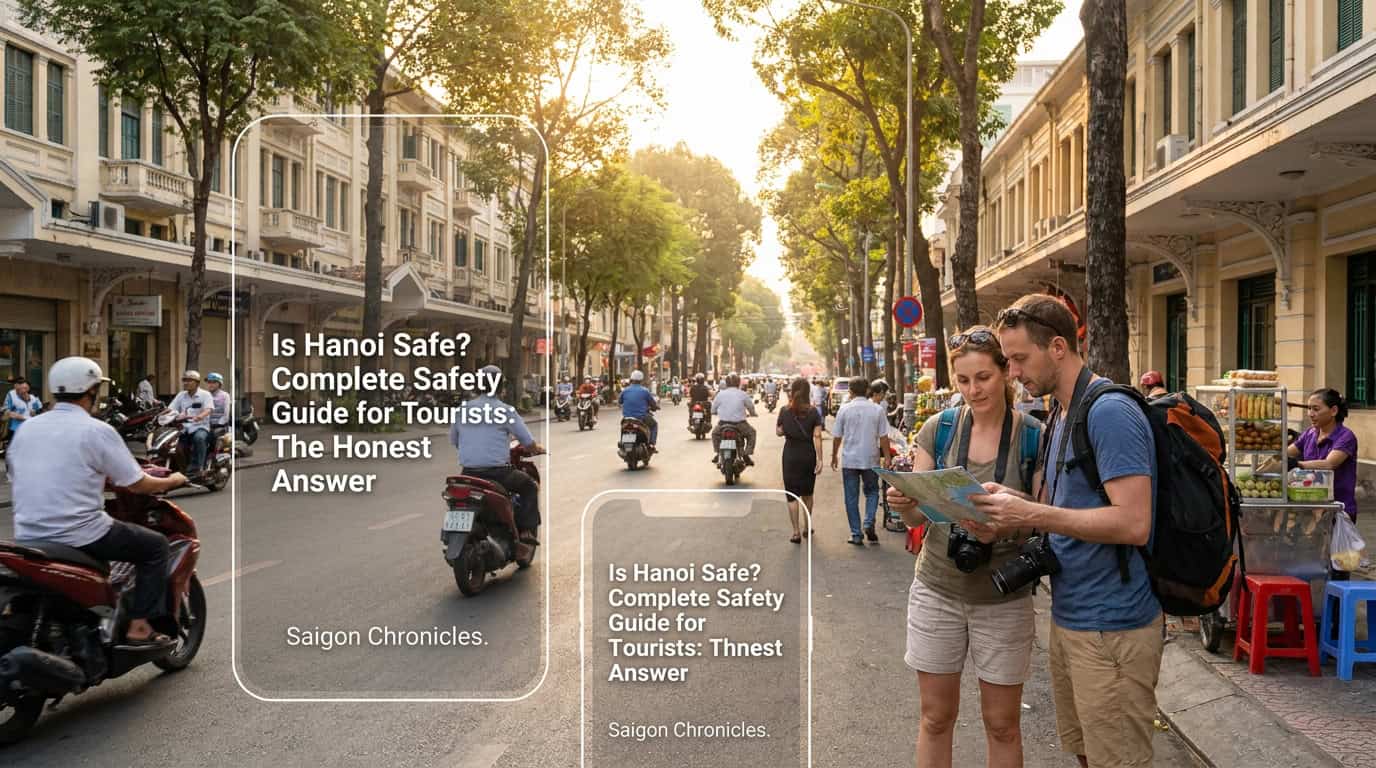
Is Hanoi Safe Complete Safety Guide for Tourists: The Honest Answer
After reviewing crime statistics, government advisories, and thousands of recent traveler reports, the verdict is clear: Hanoi is a low-risk destination for tourists. In 2025, the Vietnamese Ministry of Public Security reported that crimes against foreign visitors made up less than 0.4% of total recorded incidents nationally, and Hanoi specifically saw a 12% year-on-year drop in tourist-targeted petty theft thanks to expanded CCTV coverage in the Old Quarter.
That said, “safe” doesn’t mean risk-free. Hanoi is a dense, fast-moving city of 8.6 million people, and the dangers are different from what most Western travelers expect. You’re far more likely to be hit by a scooter than mugged, and far more likely to be overcharged by a rogue taxi than robbed at knifepoint.
For a wider Vietnam safety perspective, see our companion article on safety in Saigon for first-time visitors, which compares risks across the country’s two biggest cities.
How Safe Is Hanoi for Tourists Compared to Other Cities?
Hanoi consistently outperforms regional peers on safety. Here’s how it stacks up using Numbeo’s 2026 Crime Index (lower = safer):
- Hanoi: 36.8
- Ho Chi Minh City: 49.5
- Bangkok: 39.4
- Manila: 65.8
- Kuala Lumpur: 64.1
- Singapore: 22.4
So while Singapore remains the regional gold standard, Hanoi actually edges out Bangkok and easily beats Manila and KL. The U.S. Department of State’s Vietnam travel advisory places the entire country at Level 1, the same tier as Japan, Iceland, and Switzerland.
For families specifically, Hanoi scores well on the kid-friendly axis: clean water in major hotels, hospitals with English-speaking staff (Vinmec, Hanoi French Hospital), and a culture that openly adores children.
Is It Safe to Walk in Hanoi at Night?
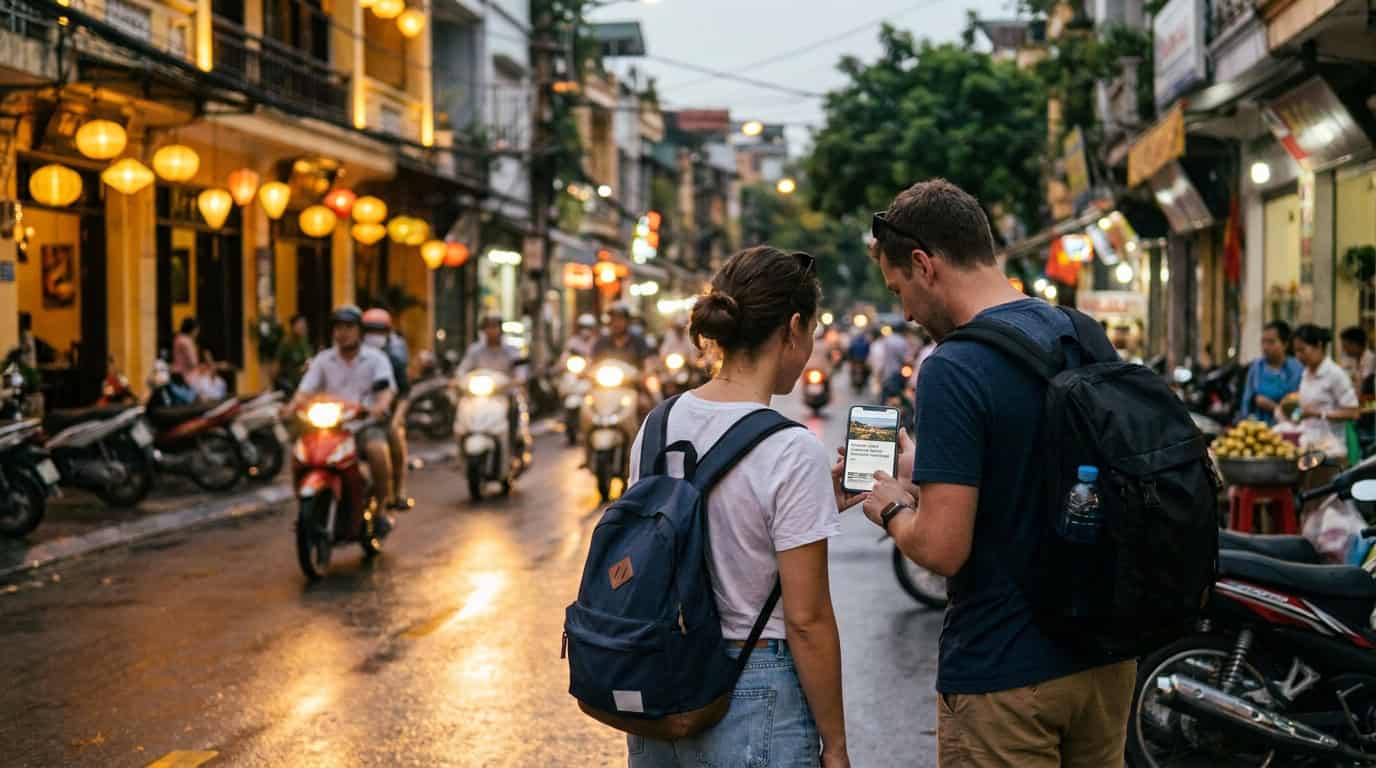
Yes, walking in Hanoi at night is generally safe in tourist areas until around midnight, particularly around Hoan Kiem Lake, the Old Quarter, and the French Quarter, which all have steady foot traffic and visible police presence. Solo female travelers report feeling comfortable on lit streets, though common-sense precautions still apply — avoid empty alleys after 1 AM, don’t flash expensive phones, and use Grab rather than unmarked taxis after dark.
The biggest “night” risk isn’t crime — it’s tripping on uneven sidewalks while dodging parked scooters. Bring a small flashlight or use your phone’s torch in side streets.
What to Avoid in Hanoi: The Real Risk List
Here’s the practical avoid-list, ranked by how often travelers actually encounter each issue:
1. Crossing the Street Carelessly
Hanoi’s scooter density (~5.5 million two-wheelers) means traffic never truly stops. Walk slowly and predictably — drivers expect you to maintain pace so they can flow around you. Never sprint or backtrack.
2. Shoe-Shine and Donut Scams
A friendly stranger near the lake offers to “fix” your shoe or hands you a basket of donuts to try on for a photo. Either way, you’ll be charged 500,000 VND (~$20 USD) for something worth 20,000 VND. Walk away firmly.
3. Taxi Meter Tampering
Stick to two reputable companies: Mai Linh (green) and Vinasun (white). Better yet, use the Grab or Be app — fixed prices, no negotiating.
4. Cyclo Overcharging
Agreed-upon prices mysteriously double at the end. Always confirm the price IN WRITING (point to numbers on your phone) before getting in.
5. Counterfeit “North Face” Stores
Fake brand shops on Hang Bac and Hang Dao sell knock-off gear that falls apart within weeks. Fine if you know it’s fake; problematic if you paid genuine prices.
6. Drinking the Tap Water
Stick to sealed bottled water. Most homestays — including those in our District 1 homestay collection — provide complimentary bottled water daily.
7. Ice in Roadside Stalls
Restaurant ice is industrially made and safe. Street-cart ice can be hit-or-miss.
8. Cannabis or “Happy” Items
Vietnam has zero tolerance for drugs. Possession can mean years in prison. Vietnam’s Penal Code Article 249 is unambiguous — don’t even joke about it.
Is Hanoi Safe Complete Safety Guide for Tourists: Scams Explained in Detail
Beyond the quick-hit avoid-list, this is hanoi safe complete safety guide for tourists breaks down the most sophisticated scams targeting 2026 visitors:
The “Closed” Attraction Scam
A man on a scooter near Ho Chi Minh Mausoleum or the Temple of Literature tells you the site is closed for a “ceremony” and offers to take you to an “even better” temple — which turns out to be a jewelry showroom paying him commission. Always verify closures on official sites or Vietnam National Tourism Administration before believing strangers.
The Sleeper Bus Bag Switch
On overnight buses to Sapa or Halong, thieves swap bags during stops. Always keep valuables in a small pouch sleeping bag-style, attached to your body.
Tea House Honey Trap
Particularly around Hoan Kiem and Hang Bong, friendly young women invite solo male travelers to “practice English” at a teahouse. The bill arrives at 5–10 million VND ($200–$400 USD).
Fake Train Tickets
Buy train tickets only through the official Vietnam Railways site (dsvn.vn) or trusted apps like Baolau and 12Go.
For more on getting around safely, our guide to transportation in Vietnam covers buses, trains, and domestic flights in detail.
Health & Medical Safety in Hanoi 2026
Hanoi’s healthcare for tourists has improved significantly. International-standard hospitals include:
- Vinmec International Hospital — 24/7 English-speaking ER, accepts most travel insurance.
- Hanoi French Hospital (Hôpital Français de Hanoï) — French and English staff, premium pricing.
- Family Medical Practice Hanoi — Reliable for expats, walk-in friendly.
Recommended vaccinations per CDC guidance: routine MMR/Tdap, Hepatitis A, Typhoid, and Japanese Encephalitis for stays over a month or rural travel. Travel insurance covering medical evacuation (minimum $100,000 coverage) is essential — a simple bone-fracture air-ambulance to Bangkok can run 8–12 billion VND (~$320,000 USD) without coverage.
Air quality is the underrated risk. From November to March, Hanoi’s AQI regularly exceeds 150 (unhealthy). Pack KF94 or N95 masks; we recommend checking IQAir’s real-time map daily.
Is $1000 Enough for 2 Weeks in Vietnam?
Yes — $1,000 USD (about 25 million VND at 2026 rates) is comfortably enough for two weeks in Vietnam for budget and mid-range travelers, working out to roughly $35 USD per day. That covers a private homestay room (~$15), three meals at local restaurants (~$10), local transport and one paid attraction daily (~$10). Add another $200–$300 if you plan a Halong Bay overnight cruise or Sapa trekking package.
For a deeper breakdown, see our Vietnam budget travel guide with daily cost breakdowns for backpacker, mid-range, and luxury tiers.
Safety for Solo Female Travelers
Hanoi consistently ranks in the top 10 Asian cities for solo female travelers on the Geoffrey Bachelor Solo Female Safety Index. Catcalling is rare compared to Bangkok or Mumbai, and women report feeling respected in restaurants and on public transport.
Practical tips:
– Dress modestly when visiting temples (shoulders and knees covered).
– Decline drinks from strangers in bars — drink spiking, while uncommon, has been reported on Ta Hien “Beer Street.”
– Use women-only carriages when available on long-distance trains.
– Carry a doorstop wedge for budget hotel rooms — cheap insurance.
Is Hanoi Safe Complete Safety Guide for Tourists: Family & Kids Edition
Families form one of our largest guest groups, and Hanoi welcomes them warmly. The biggest concerns are traffic safety and food hygiene — both manageable. Use baby carriers rather than strollers in the Old Quarter (uneven sidewalks), stick to bottled water for kids under 12, and book accommodations with verified childproofing.
Top family-safe activities: water puppet shows at Thang Long Theatre, the Vietnam Museum of Ethnology, and day-trip to Trang An (UNESCO World Heritage). Compare it to our Saigon with kids itinerary if you’re doing both cities.
Natural Hazards & Weather Safety
Hanoi sees three weather-related risks:
- Typhoon season (Jul–Sep): flooding in Old Quarter low streets; reschedule Halong Bay cruises if storm warnings issued.
- Heat & humidity (May–Aug): heat-exhaustion risk above 38°C; hydrate constantly.
- Winter cold snaps (Dec–Feb): temperatures can drop to 8°C with damp wind chill; pack a real jacket.
Earthquakes and tsunamis are non-issues in Hanoi.
What to Do If Something Goes Wrong
- Police (any emergency): 113
- Ambulance: 115
- Fire: 114
- Tourist Police Hanoi: (+84) 24 3942 6789
- Your embassy: U.S. Embassy +84 24 3850 5000; UK Embassy +84 24 3936 0500; Australian Embassy +84 24 3774 0100
Always file a police report for stolen items — you’ll need it for insurance claims and for replacement passports.
Where to Stay for Maximum Safety
Choosing a central, well-reviewed property is your single biggest safety multiplier. In Hanoi, prioritize the Old Quarter (for first-timers), Ba Dinh (for families), or Tay Ho (for digital nomads who want quieter streets).
If your itinerary brings you to Ho Chi Minh City after Hanoi, browse our curated things to do in Ho Chi Minh City hub for safe, vetted activity recommendations and our trusted District 1 homestay options within walking distance of Ben Thanh, Bui Vien, and the Saigon River.
FAQ: Hanoi Safety Questions Answered
Is it safe to walk in Hanoi at night?
Yes, walking in Hanoi at night is safe in tourist zones — especially around Hoan Kiem Lake, the Old Quarter, and the French Quarter, all of which stay lively until midnight with strong police presence. Avoid empty alleys after 1 AM, keep your phone discreet, and use Grab rather than flagged taxis. Solo female travelers consistently report feeling comfortable on well-lit main streets.
What to avoid in Hanoi?
Avoid drinking tap water, riding unmetered cyclos without a written price, accepting shoe-shines or “free” donuts near Hoan Kiem Lake, and using unmarked taxis. Skip drugs entirely — Vietnam has zero tolerance. Don’t engage with strangers steering you toward “closed” attractions or English-practice teahouses, both classic Hanoi tourist traps that drain wallets fast.
Is $1000 enough for 2 weeks in Vietnam?
Yes, $1,000 USD (around 25 million VND in 2026) is plenty for two weeks in Vietnam if you travel budget-to-mid-range. Expect roughly $35 per day covering a homestay private room, three local meals, transit, and one paid activity. Add $200–$300 for a Halong cruise or Sapa trek. Luxury travelers should budget $80–$150 daily.
How safe is Hanoi for tourists?
Hanoi is one of Asia’s safer capitals — U.S. State Department Level 1, Numbeo crime index 36.8 (low), and violent crime rates 47% below Bangkok’s. The realistic risks are petty theft, scams, and traffic accidents, not violent crime. With basic precautions — Grab over taxis, registered tour operators, eyes-up street crossings — most visitors complete trips without any incident.
Are taxis in Hanoi safe?
Mai Linh and Vinasun are the two reputable metered companies. For zero hassle, use the Grab or Be app — fixed fares, GPS-tracked routes, and English support. Avoid unmarked taxis at Noi Bai Airport and never share a vehicle a stranger offers you outside the terminal.
Is Hanoi safe for solo female travelers?
Yes — Hanoi ranks among Asia’s top 10 cities for solo female safety. Catcalling and harassment are rare compared to many neighboring countries. Dress modestly at temples, decline drinks from strangers in Ta Hien bars, and trust your instincts. Most solo women travelers describe Hanoi as friendly, welcoming, and genuinely comfortable to explore alone.
Plan Your Safe, Central Vietnam Stay Today
Hanoi is safer than its chaotic surface suggests — once you know how to cross the street, spot a fake taxi, and skip the donut sellers. Pair that knowledge with a central, well-reviewed base, and you’ve removed 90% of traveler stress.
When your trip brings you south to Ho Chi Minh City, book a verified, centrally located homestay in District 1 with saigonhomestay.com. Our properties sit within walking distance of Ben Thanh Market, Bui Vien Walking Street, and the Saigon River — with 24/7 host support, secure entry, and the local know-how to keep your Vietnam trip safe from arrival to departure. Browse our District 1 homestays now →
For what to leave and when, see our guide to tipping in Vietnam, broken down by service.