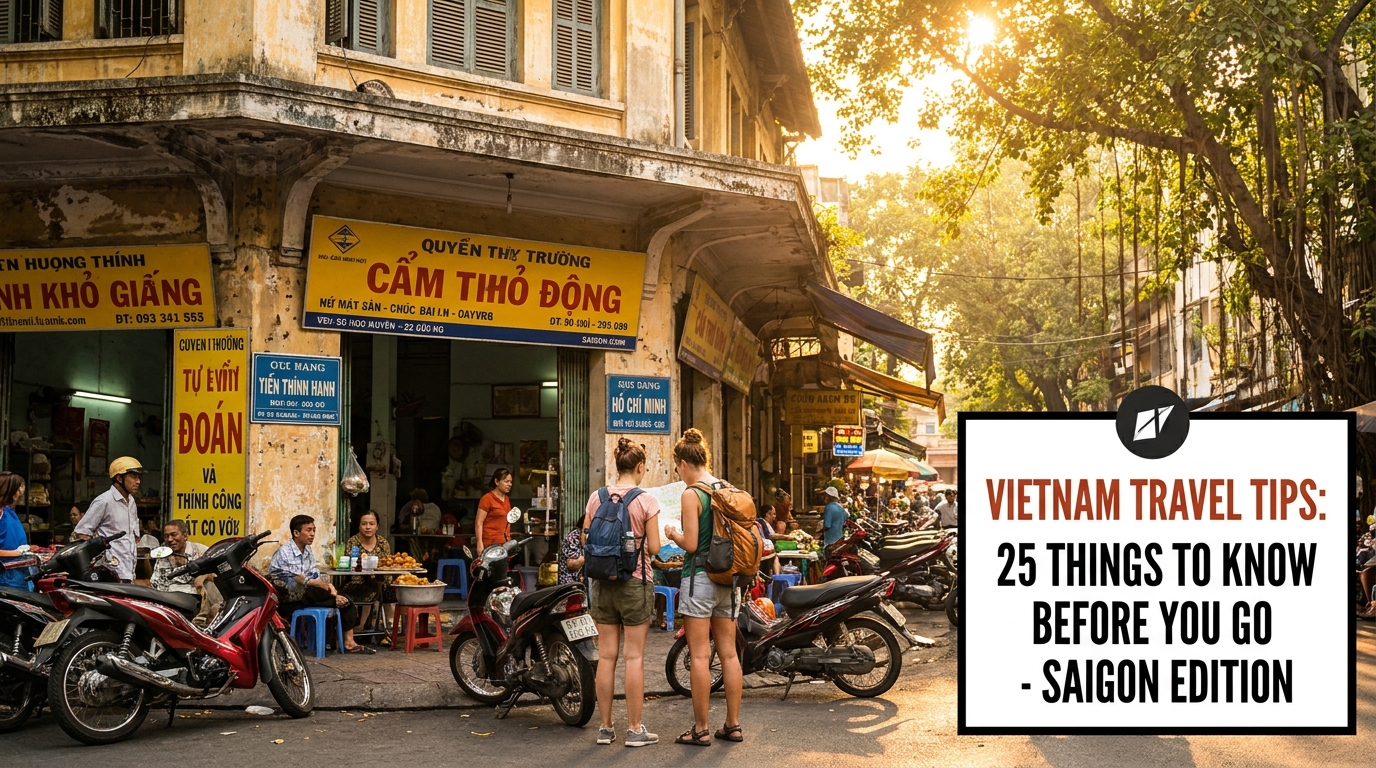
Smart vietnam travel in 2026 comes down to five things: getting the right e-visa, carrying enough small VND notes, eating at busy local stalls, downloading Grab before you land, and respecting a few quiet cultural rules. Do those, and you’ll glide through a country that welcomed more than 17.5 million international visitors in 2024 (per the Vietnam National Authority of Tourism) without falling into the usual traps that drain wallets and ruin stomachs.
This guide bundles 25 field-tested tips: visa rules, money, food, scams, etiquette, and the small things nobody warns you about until you’re standing on a Saigon street corner wondering how to cross the road.
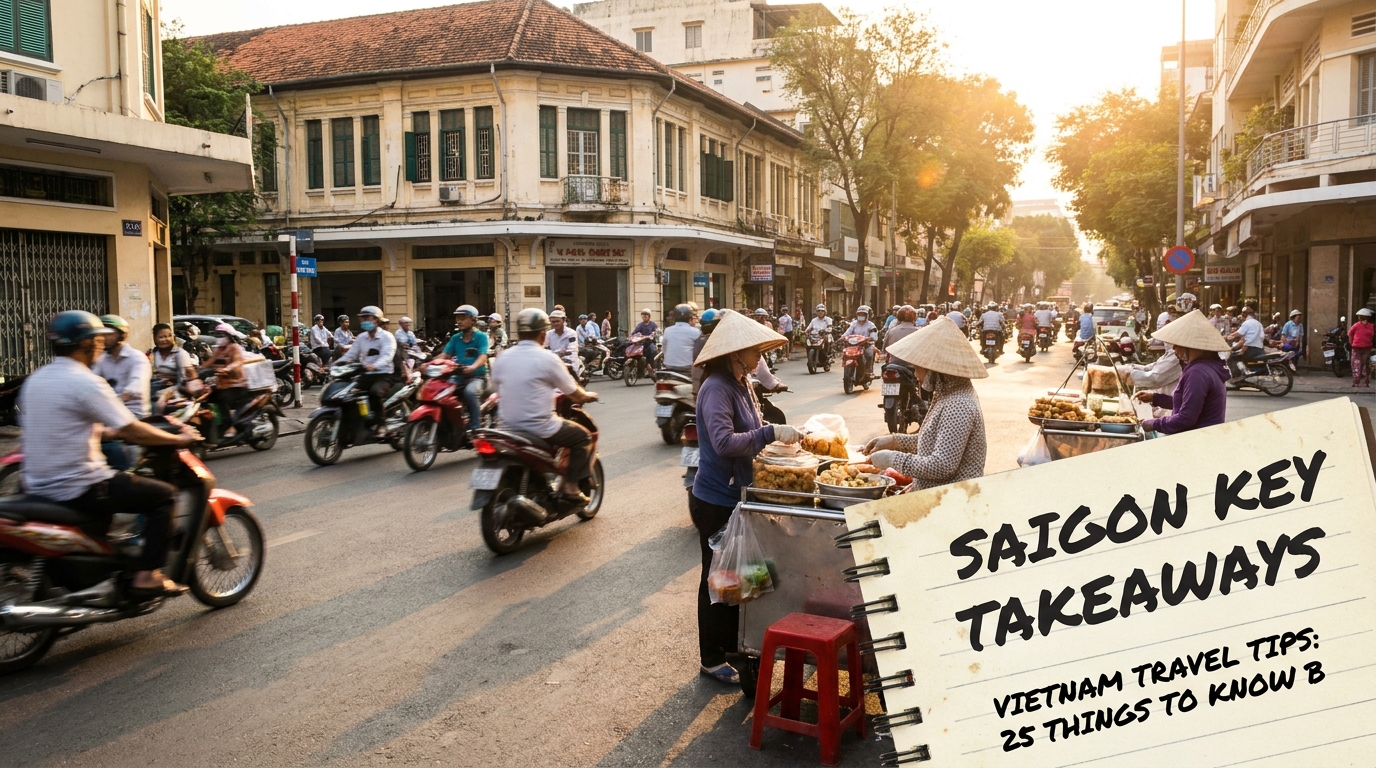
Key Takeaways
- E-visa is mandatory for most nationalities — apply 5–7 days before arrival at the official e-visa portal for 25 USD (90-day multiple entry).
- Cash is king outside major cities. Carry small VND notes (10k–50k) and expect ATMs to cap withdrawals at 3 million VND (~120 USD).
- Eat where locals eat — busy plastic-stool stalls have the freshest turnover and the safest food.
- Download Grab, Bolt, and XE Bus before arrival. Metered taxis from Mai Linh and Vinasun are also safe.
- ⚠️ Tipping isn’t expected, but 20,000–50,000 VND (1–2 USD) for great service is genuinely appreciated.
- ️ Weather varies by region — pack for tropical heat in the south and layers for the north between November and March.
Vietnam at a Glance: Quick Travel Snapshot
| Item | Detail |
|---|---|
| Currency | Vietnamese Dong (VND); 1 USD ≈ 25,400 VND (June 2026) |
| Visa | E-visa, 90 days, 25 USD single / 50 USD multiple entry |
| Plug type | Types A, C, and F — 220V, 50Hz |
| Tap water | Not drinkable; use bottled or filtered |
| Best season | Nov–Apr (south), Mar–May & Sep–Nov (central), Oct–Apr (north) |
| Tipping | Optional; 5–10% for great service |
| Emergency | 113 (police), 114 (fire), 115 (ambulance) |
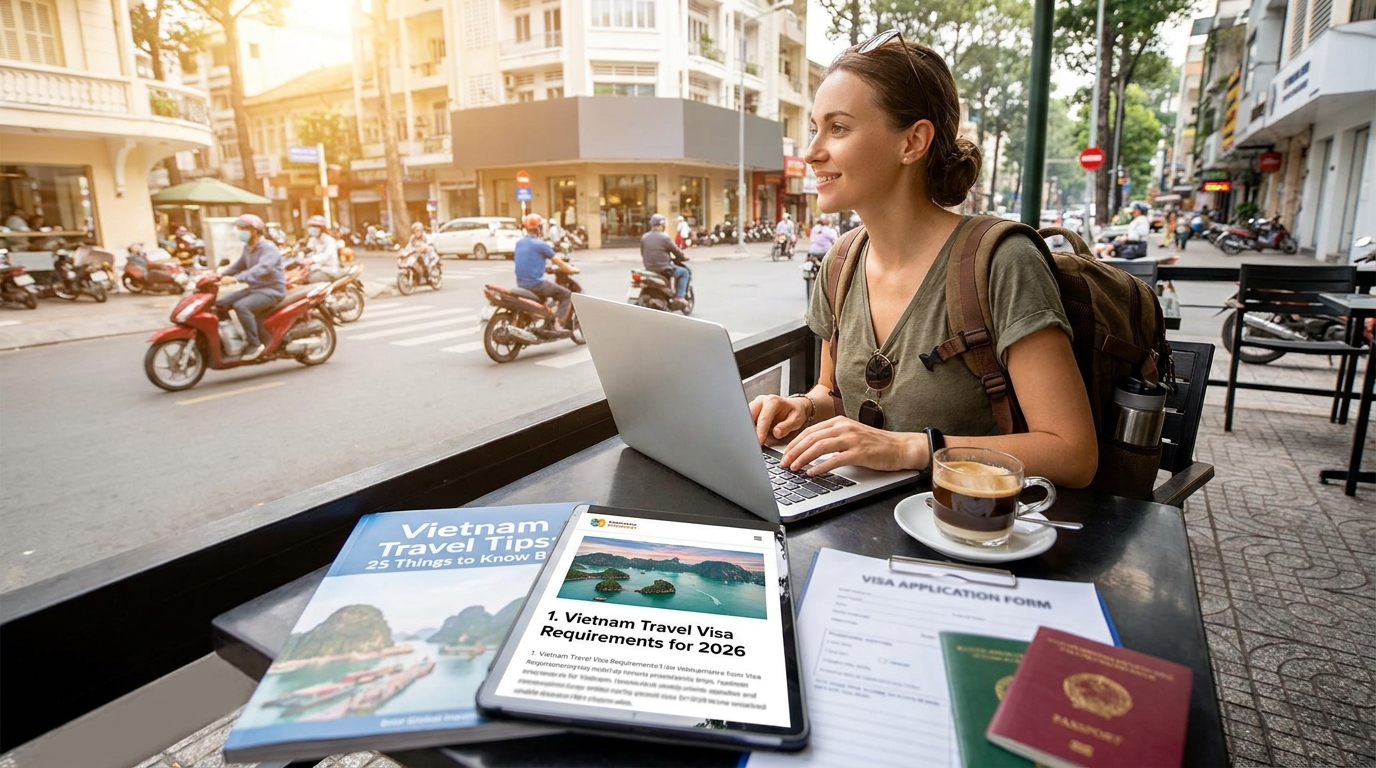
1. Vietnam Travel Visa Requirements for 2026
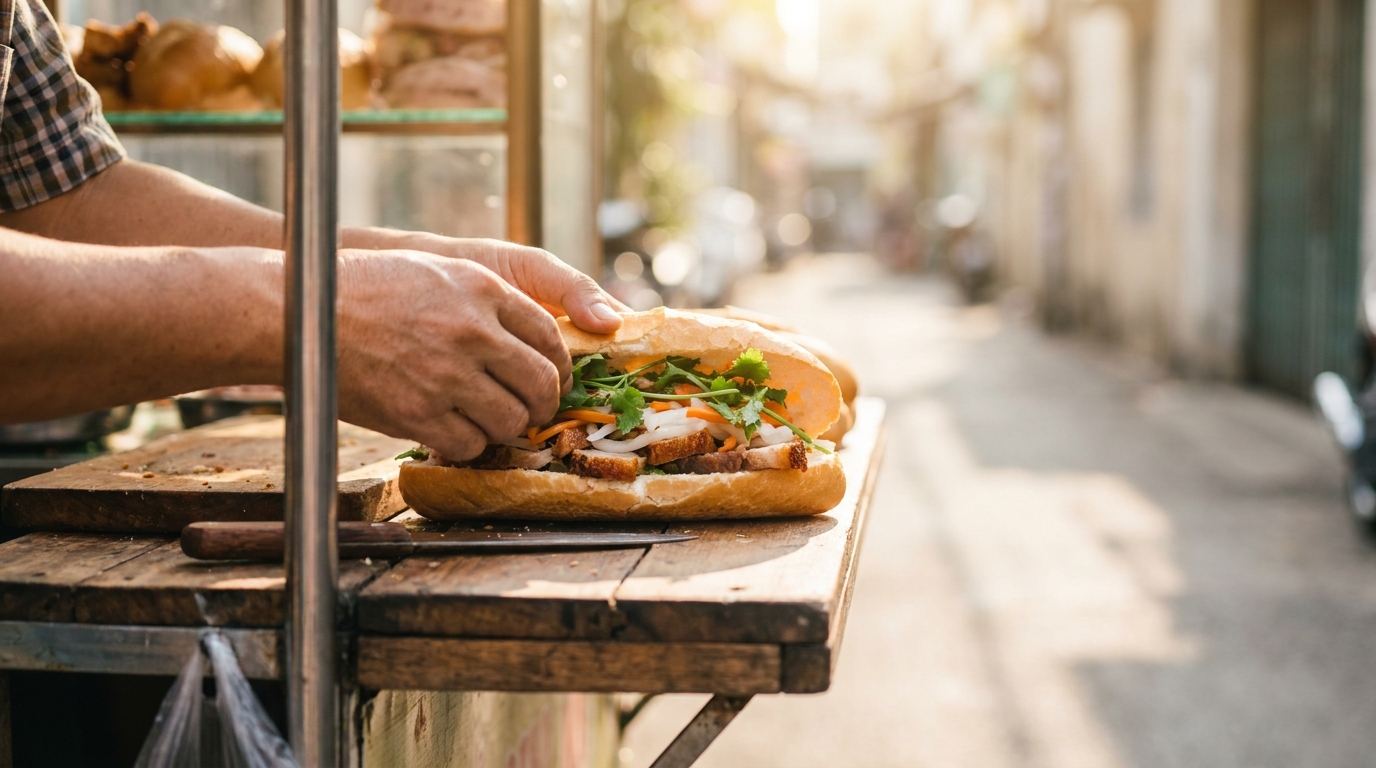
As of August 2023, Vietnam expanded its e-visa to citizens of all countries for stays up to 90 days, with single or multiple entry options. Apply through the official government portal — never a third-party site charging triple. Processing takes 3 working days; submit a JPG passport photo and the bio-page scan.
Citizens of 25 countries (including the UK, France, Germany, Japan, South Korea, and most Nordic nations) still get visa exemption for 45 days. Check your eligibility before paying for an e-visa you don’t need. For deeper detail, see our Vietnam visa guide for foreigners.
2. Money: Cash, Cards, and Why 500,000 VND Notes Are a Pain
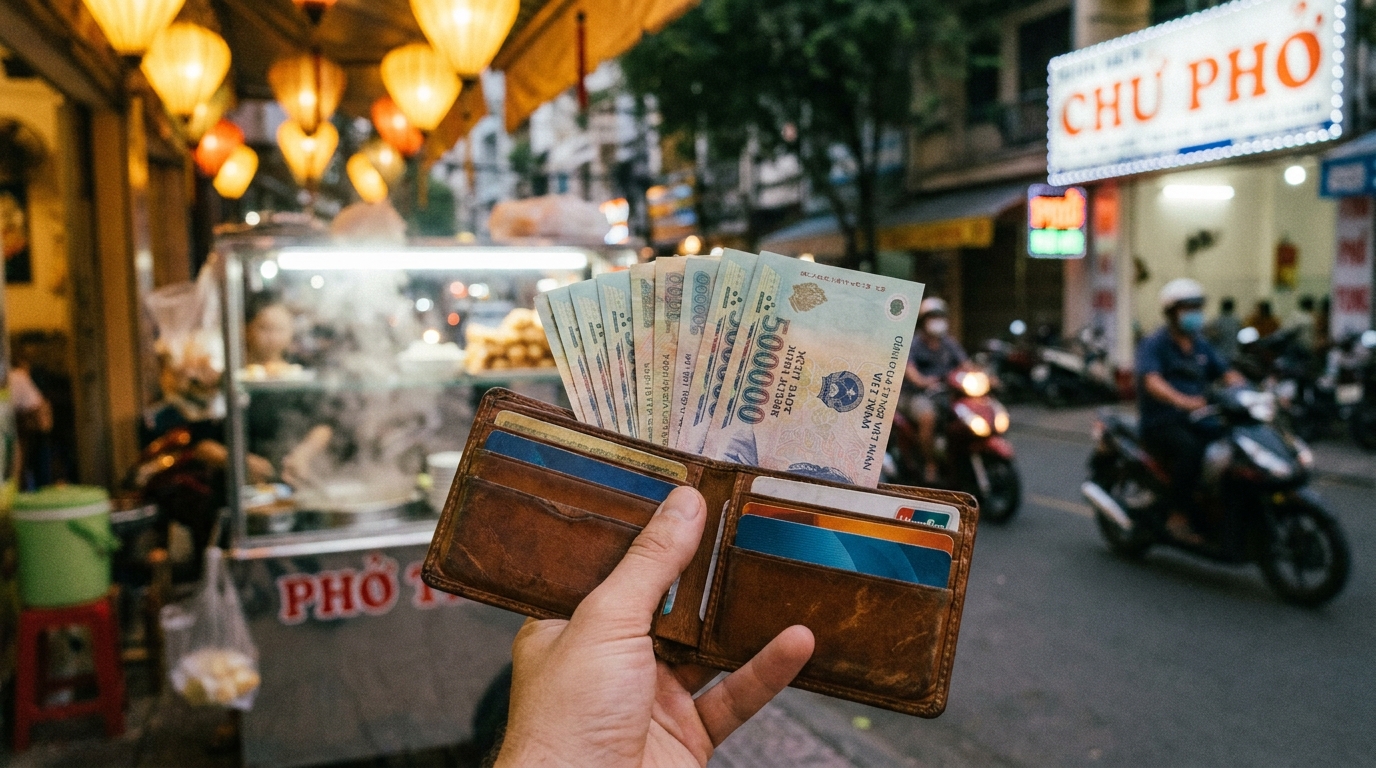
ATMs are everywhere in cities but withdrawal caps are low — TPBank and HSBC allow up to 10 million VND (~390 USD) per transaction, while most local banks cap at 3 million VND. Bring a Wise or Revolut card to avoid the 3% foreign-transaction fee that traditional banks charge.
Break your big notes early. A 500,000 VND bill (≈20 USD) is useless for a 25,000 VND coffee. Ask hotels or supermarkets to give you 50,000s and 100,000s. The 200,000 and 500,000 notes look almost identical — both blue. Slow down at payment.
3. Tipping Culture (and Whether 100,000 Dong Is Generous)
Tipping isn’t mandatory anywhere in Vietnam, but it’s warmly received. Round up taxi fares, leave 20,000–50,000 VND for a meal, and tip spa therapists 50,000–100,000 VND (2–4 USD). For multi-day tour guides and drivers, 200,000–300,000 VND per day is the going rate among foreign tourists in 2026.
4. Best Time for Vietnam Travel by Region
Vietnam stretches 1,650 km north to south, so “best time” depends on where you’re going. The south (Ho Chi Minh City, Mekong Delta) has two seasons: dry (Dec–Apr) and wet (May–Nov). Central Vietnam (Hoi An, Da Nang) is best March–May before typhoon season. The north (Hanoi, Sapa, Ha Long Bay) is coolest and clearest November–April.
If you’re planning a multi-city trip, our best time to visit Vietnam breakdown shows which weeks line up across all three regions.
5. How to Cross a Saigon Street Without Dying
Step off the curb at a steady, predictable pace. Don’t stop. Don’t run. Don’t make sudden moves. The river of motorbikes flows around you — but only if you’re readable. Locals will sometimes walk alongside foreigners crossing busy roads; accept the help. Use marked crosswalks where they exist, especially near schools.
6. Transport: Grab, Bolt, and Why You Should Skip the “Honest” Taxi
Download Grab and Bolt before you land — they handle ride-hailing, food delivery, and even motorbike taxis (GrabBike) at half the price of a car. Both apps show the fare upfront, so there’s no haggling. For local buses in Ho Chi Minh City, the BusMap app is free and accurate.
Avoid white taxis that look like Mai Linh or Vinasun but have slightly off logos — these are the classic “lookalike” scam cars. Stick to the real Mai Linh (green) and Vinasun (white with red/blue stripe) brands.
7. Food & Water Safety: How to Avoid Diarrhea
Stick to bottled water (check the seal), avoid ice in roadside drinks unless it’s the standard hollow cylinder shape (that’s factory-made and safe), and eat at stalls with high turnover. The CDC’s Vietnam travel health page recommends carrying loperamide and oral rehydration salts as a basic precaution.
Peel fruit yourself. Skip raw vegetables at lower-end places. Steaming-hot pho and bun bo Hue are almost always safe because boiling kills pathogens. For a full list of dishes worth trying, see our Vietnamese food guide for foreigners.
8. SIM Cards & eSIM in 2026
Viettel, Vinaphone, and Mobifone all sell tourist SIMs at the airport for 150,000–300,000 VND (~6–12 USD) with 5–10 GB/day for 30 days. If your phone supports eSIM, Airalo and Saily sell Vietnam eSIMs online before you land — convenient but usually 30% pricier than a physical SIM bought on arrival.
9. Cultural Etiquette: What Not to Do in Vietnam as a Tourist
Don’t touch anyone’s head (including children — it’s considered disrespectful). Don’t point your feet at people or at altars. Remove shoes before entering homes and many smaller temples. Avoid loud conversations on overnight trains and in family-run guesthouses. Don’t take photos of military installations or border posts. And in temples, dress modestly: shoulders and knees covered for both men and women.
Public displays of affection beyond hand-holding are still uncommon outside of nightlife districts. Tone it down — locals notice.
10. The Scams Worth Knowing About
The most common scams targeting tourists in 2026:
- Shoe-shiners who “fix” your shoe and then demand 500,000 VND for the repair you didn’t ask for.
- Cyclo drivers quoting 50,000 VND, then claiming it was 50 USD per person, per minute.
- Fake taxi meters that run at 3–5× normal speed.
- Bag-snatch motorbikes in District 1 — wear your bag on the curb side, not the road side.
- Money switch — vendor accepts a 500,000 note, swaps it for a 50,000, and claims you underpaid.
Our Saigon scam survival guide breaks down each one with photos and counter-scripts.
11. Bargaining Etiquette
In markets like Ben Thanh, expect first prices at 2–3× the real value. Counter at 30–40% and meet near 50–60%. Smile, walk away if needed, and never start haggling unless you intend to buy. In supermarkets, malls, and Highlands/Phuc Long-style cafes, prices are fixed.
12. Vietnam Travel Packing List Essentials
Light, breathable clothing for the south; a fleece and rain shell for the north between November and March. Reef-safe sunscreen, a hat, a refillable water bottle with filter (saves around 300,000 VND/week in plastic bottles), and a small first-aid kit with antiseptic wipes, loperamide, and rehydration sachets. Bring a paper backup of your e-visa and passport bio page.
13. Power, Plugs, and Charging
Vietnam runs on 220V, 50Hz. Sockets accept Types A (US flat-pin), C (European round-pin), and F (Schuko). Most modern hotels have all three in one socket. A universal adapter is helpful but rarely essential.
14. Health: Vaccines, Pregnancy, and Insurance
The CDC recommends Hepatitis A, Typhoid, and Tetanus boosters for most travelers, plus Japanese Encephalitis if you’re visiting rural areas for over a month. Travel insurance is non-negotiable — a medical evacuation from rural Vietnam can run 50,000–80,000 USD without coverage. World Nomads and SafetyWing are popular among foreign visitors.
Pregnancy: Vietnam is generally safe in the second trimester for healthy travelers. Avoid Zika-risk rural lowlands during peak mosquito season (May–October), drink only bottled water, and confirm with your OB-GYN before flying after week 28. Major cities have international-standard hospitals (FV Hospital in HCMC, Vinmec in Hanoi).
15. Mosquitoes and Dengue
Dengue cases peak July–October. Use DEET-based repellent (30%+), wear long sleeves at dusk, and pick accommodations with screens or AC. Aedes mosquitoes bite during the day, not just at night.
16. Toilets and the Bidet Spray
Most modern places have Western toilets with a hand-held bidet sprayer (the “bum gun”). Public squat toilets still exist at bus stations and rural restaurants — carry tissue and a small bottle of hand sanitizer. Don’t flush paper unless a sign says you can.
17. Trains, Buses, and Sleeper Vans
The Reunification Express between Hanoi and Ho Chi Minh City is one of Asia’s great train journeys — book soft sleeper cabins via the official Vietnam Railways portal. Sleeper buses are cheap but tight on legroom for anyone over 5’10”. For short hops, Phuong Trang (FUTA) and The Sinh Tourist are the most reliable foreign-friendly operators.
18. Internal Flights
Vietnam Airlines, Vietjet, and Bamboo Airways connect 22 domestic airports. Tickets bought 3+ weeks ahead run 800,000–1,500,000 VND (~32–60 USD) one-way. Vietjet is cheapest but charges aggressively for bags and seat selection — read the fare rules carefully.
19. Coffee Culture (Drink the Egg Coffee)
Vietnam is the world’s second-largest coffee producer. Try ca phe sua da (iced coffee with condensed milk), bac xiu (more milk, less coffee), egg coffee (a Hanoi specialty), and coconut coffee. A street-stall coffee costs 20,000–30,000 VND (≈1 USD); a Starbucks runs 80,000+. Choose accordingly.
20. Tet Holiday Awareness
If your vietnam travel dates overlap Tet (Lunar New Year, late January or early February), expect closures for 5–7 days. Many family-run restaurants, museums, and tailors shut entirely. Hotels stay open but with skeleton staff. Book transport weeks ahead — locals are traveling home en masse.
21. Where to Stay: Districts in HCMC
For first-time visitors, base yourself in District 1 — walking distance to Ben Thanh Market, Bui Vien backpacker street, the Opera House, and Notre Dame. District 3 is quieter and more local. District 7 is expat-leaning and modern but far from old-town sights. See our breakdown of where to stay in Ho Chi Minh City and our 3-day Saigon itinerary for first-timers.
22. Hidden Costs Nobody Mentions
- Tourist surcharge at some restaurants in Hoi An (~10%).
- Motorbike rental deposit: usually your passport (illegal, but standard). Use a photocopy if possible.
- Beach chair rentals: 50,000–100,000 VND per day, often pushed “for free” then billed at the end.
- Tour-guide tips and entrance fees often quoted “excluded”.
23. LGBTQ+ Vietnam Travel in 2026
Vietnam is one of Southeast Asia’s most LGBTQ-friendly countries. There are no laws criminalizing same-sex relationships, Hanoi and HCMC host Pride events, and same-sex couples are welcomed at most hotels. PDA norms apply equally to all couples — keep it moderate in public.
24. Solo Female Travel Notes
Vietnam ranks among the safer Southeast Asian destinations for solo women. Standard precautions apply: avoid empty alleys after midnight, decline drinks from strangers, and use Grab over street taxis. Conservative dress in temples and rural areas earns more respect and fewer stares.
25. Booking Direct vs Platforms
Hotel platforms often list the same property at 10–25% higher than direct booking. Message homestays through their website or WhatsApp and ask politely for the direct rate. Many will match or beat the platform price and often add airport pickup or breakfast.
Frequently Asked Questions
Is 100,000 dong a good tip in Vietnam?
Yes — 100,000 VND (about 4 USD) is a generous tip in Vietnam, well above local norms. It’s appropriate for a great hotel housekeeper, an excellent spa therapist, or a tour guide after a half-day tour. For restaurant meals, 20,000–50,000 VND is more standard. Vietnamese culture doesn’t require tipping, so any amount you leave is appreciated, not expected.
Is it safe to travel to Vietnam while pregnant?
Vietnam is generally safe during the second trimester for healthy travelers with no high-risk conditions. Stick to bottled water, avoid raw vegetables and undercooked meat, use mosquito repellent (Zika risk is low but present), and confirm flying clearance with your OB-GYN — most airlines restrict travel after week 36. Major cities have international hospitals; rural areas have limited obstetric care.
What not to do in Vietnam as a tourist?
Don’t touch heads, point feet at altars or people, wear shoes into homes or small temples, take photos of military sites, hand things with your left hand only, or display anger publicly — losing face is a serious cultural breach. Don’t flash valuables, don’t bargain unless you intend to buy, and don’t criticize the government or Ho Chi Minh in public discussions.
How to avoid diarrhea in Vietnam?
Drink only sealed bottled or properly filtered water, skip ice at low-end stalls (factory ice with a hollow cylinder is safe), eat at busy local restaurants where food turns over fast, peel your own fruit, and avoid raw salads at street stalls. Wash hands frequently or use sanitizer. Pack loperamide and oral rehydration salts as a backup, and ease into spicier dishes gradually.
Plan Your Vietnam Travel from a Central Saigon Base
Ready to put these tips into practice? Pair them with a curated 3-day Saigon itinerary so you hit the ground running.
Safe travels — and welcome to Vietnam.
Related Guides
- 30 Best Things To Do in Ho Chi Minh City (2026)
- Vietnam vs Thailand: Which Is Better for Your Trip?
- Best Beaches in Vietnam: Ranked for Every Traveller Type
- Best Places to Visit in Vietnam: Complete 2026 Guide
- Best Spas & Massage in Saigon: Complete Guide
- Saigon Nightlife Guide: Bars, Clubs & What to Expect